Use these question scripts to guide conversations with your doctor. Click on any topic below to see the questions and why they matter.
Osteoporosis is often silent. Knowing your risk factors helps detect problems early before a fracture occurs.
View the questions →
These may be signs of a spinal (vertebral) fracture that often happen without a major injury.
View the questions →
A normal bone density result does not always mean your bones are healthy.
View the questions →
Understanding the benefits and risks of treatment helps you make the best decision for your health.
View the questions →
Hormonal changes during menopause speed up bone loss and increase fracture risk.
View the questions →
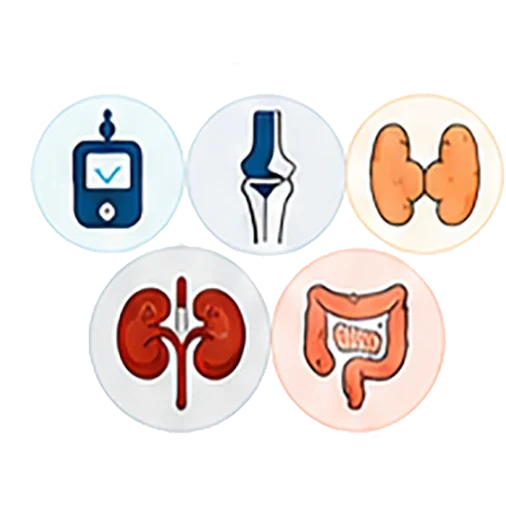
Conditions like diabetes, thyroid disease, and arthritis can weaken bones and increase fracture risk.
View the questions →
Certain medicines, such as steroids and some cancer treatments, can increase your risk of fractures.
View the questions →
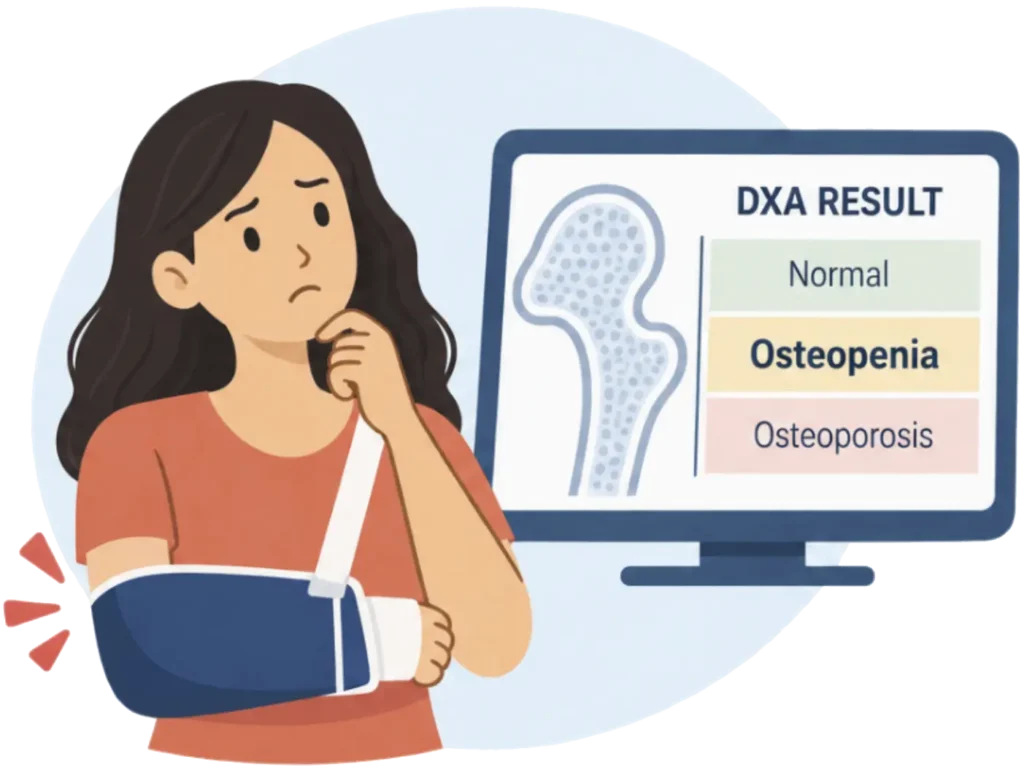
Osteopenia means your bone density is lower than normal, but not low enough to be classified as osteoporosis.
View the questions →
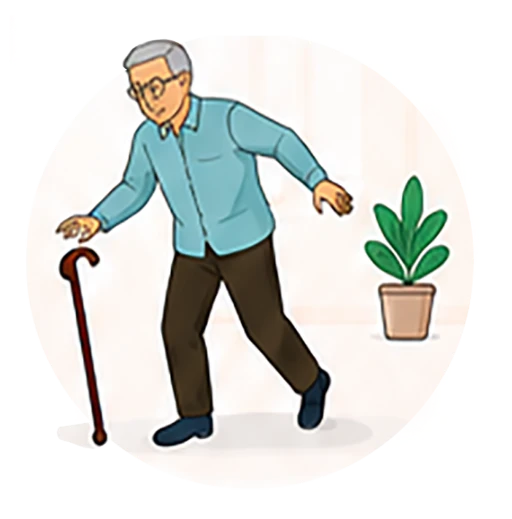
Falls are a leading cause of fractures. Identifying the causes can help prevent serious injuries.
View the questions →

Osteoporosis is often under-recognised in men, but the risk of fractures is real and serious.
View the questions →
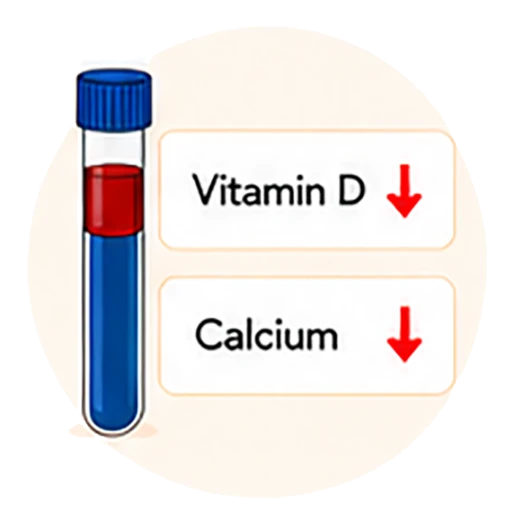
Very low levels of Vitamin D or Calcium can weaken your bones and increase your risk of fractures.
View the questions →







The information provided on the APCO BoneConnect (“Platform”) is intended for educational and informational purposes only. It is designed to improve understanding of bone health, osteoporosis, fragility fractures, and related bone conditions. It is not intended to provide medical advice or to diagnose, prevent, monitor, or treat any medical condition. Many bone conditions, as well as many other medical conditions, can present with similar signs and symptoms. The information on this Platform cannot determine the cause of your symptoms or whether you have a particular condition. Nothing on this Platform creates a doctor-patient relationship or any other professional relationship between APCO and you.
If any of the symptoms, experiences, or situations described on this Platform apply to you, keep a record of them and discuss them with your doctor or another qualified healthcare professional. They can assess your individual circumstances, determine whether further investigations or referral to a specialist are appropriate, interpret test results, establish a diagnosis, and recommend suitable management. Please confirm all information obtained from this Platform with other sources and your doctor or qualified healthcare professional. APCO does not warrant or guarantee any treatment, therapy, medication, device, diagnosis, or recommendation of any author or other person available through this Platform. References to symptoms, risk factors, tests, imaging, laboratory investigations, medications, treatments, healthcare services, or specialist referrals are provided solely to support informed discussions with your healthcare professional. They should not be interpreted as recommendations for any particular individual. If you are experiencing a medical emergency, do not use this Platform. Please immediately call a doctor or qualified healthcare professional and the relevant emergency services.
While APCO makes reasonable efforts to ensure the information on this Platform is accurate and current, medical knowledge continues to evolve and the information may not be applicable to every individual or healthcare setting. The contents on this Platform are provided on an “as is” and “as available” basis. APCO makes no warranties or representations of any kind as to (a) the accuracy, currency, usefulness, or completeness of the contents or any part thereof; (b) the appropriateness or suitability of the contents for your purposes; or (c) the error-free or uninterrupted availability of this Platform.
To the fullest extent permitted by applicable law, APCO excludes all implied conditions, warranties, representations, or other terms that may apply to this Platform, its content, and any materials made available through the Platform, including any implied warranties of merchantability, fitness for purpose, or non-infringement. APCO does not endorse or recommend any commercial products, devices, processes, or services disclosed on this Platform. APCO shall not be liable for any loss, injury, damage, or other consequences arising from the use of, inability to use, reliance upon, interpretation of, or application of any information contained on this Platform, including without limitation any direct, indirect, incidental, consequential, or punitive damages. This Platform may contain links to third-party websites. Not all medical resources on the internet are authoritative or current, and APCO accepts no responsibility for any third-party website or any information contained therein. You access any third-party websites at your own risk.
This Platform is supported by an unrestricted educational grant from Union Chimique Belge (“UCB“). UCB has had no involvement in, and has exercised no control or influence over the selection, development, or presentation of the content on this Platform. The content of this Platform is independent of UCB, and nothing on this Platform represents the views, positions, or policies of UCB.
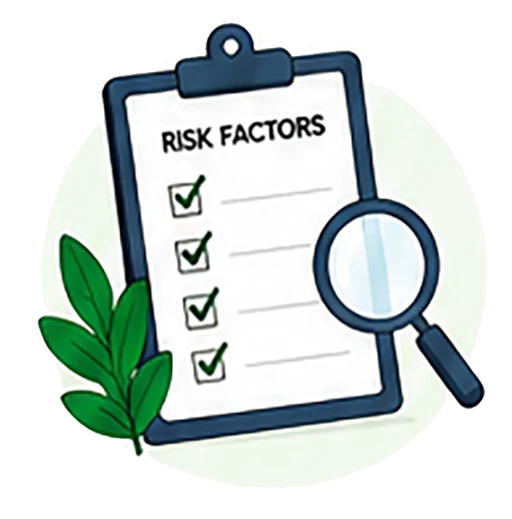
Osteoporosis is often called the “silent disease” because there are usually no symptoms until a fracture occurs. If you have risk factors, it is important to discuss your bone health before a fracture happens. Some common risk factors include but not limited to: Family history, Smoking, Alcohol, Low Body Weight, Age and Previous Falls.
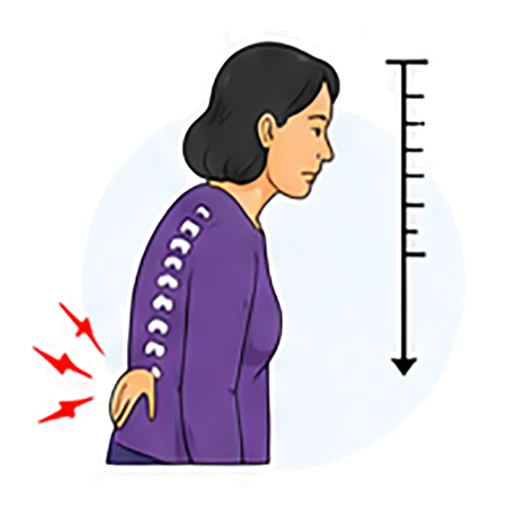
Losing height, developing a stooped posture or experiencing persistent back pain may not simply be part of ageing. These symptoms can sometimes be caused by vertebral fractures that happen without a major injury.
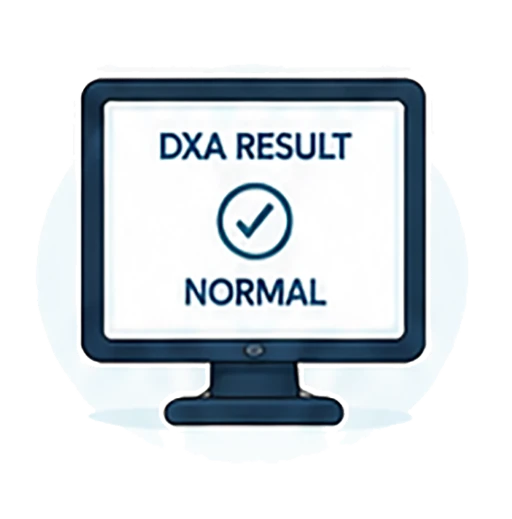
A normal bone density result does not always mean your bones are healthy. Some people may still be at increased fracture risk because of other risk factors or underlying conditions that affect bone quality.
Many people are concerned about possible side effects of osteoporosis medicines. Understanding both the benefits and risks can help you make an informed decision with your doctor.
Bone loss accelerates during and after menopause because of declining oestrogen levels. Acting early can help maintain bone strength and reduce future fracture risk.
Some medical conditions can weaken bones, affect bone quality or interfere with the body’s ability to absorb important nutrients. Others may increase your risk of falls and thus fractures. These include diabetes, rheumatoid arthritis, thyroid disease, kidney disease, celiac disease, etc among others.
Some medicines can reduce bone strength or increase fracture risk, particularly if they are taken over a long period. Your doctor can help determine whether you need additional monitoring or treatment. Examples include steroid medications like prednisolone and some cancer treatments.
Osteopenia means your bone density is lower than normal, but not low enough to be classified as osteoporosis. However, a fracture following a minor fall or injury may indicate that your bones are weaker than your DXA scan suggests. It is important to discuss your fracture risk with your doctor to determine whether further assessment or treatment is needed.
Most fragility fractures occur after a fall. Identifying the causes of falls and improving balance and strength can significantly reduce your fracture risk.
Although osteoporosis is often thought of as a women’s disease, men can also develop osteoporosis and experience serious fractures. Unfortunately, osteoporosis in men is frequently under-recognised and underdiagnosed.
Vitamin D and calcium play essential roles in maintaining healthy bones. Low levels may contribute to bone loss and increase the risk of fractures if left untreated.
Reference 1:
This guide brings together current evidence on preventing, diagnosing, and treating osteoporosis. It explains the importance of identifying people at increased risk of fractures and using a combination of healthy lifestyle habits, bone density testing, and medicines when appropriate. The guide also highlights the value of ongoing monitoring to help maintain bone strength and reduce future fracture risk. Overall, it reinforces that osteoporosis can often be effectively managed when recognised early.
LeBoff MS, Greenspan SL, Insogna KL, et al. “The clinician’s guide to prevention and treatment of osteoporosis.” Osteoporosis Int. 2022 Oct;33(10):2049-2102. doi: 10.1007/s00198-021-05900-y. Epub 2022 Apr 28. Erratum in: Osteoporos Int. 2022 Oct;33(10):2243. doi: 10.1007/s00198-022-06479-8. PMID: 35478046; PMCID: PMC9546973.
https://pubmed.ncbi.nlm.nih.gov/35478046/
Reference 2:
This review explains how the FRAX® tool helps estimate a person’s risk of breaking a bone due to osteoporosis. The authors describe how FRAX combines factors such as age, medical history, and lifestyle, with or without a bone density test, to guide decisions about further assessment or treatment. The paper highlights that fracture risk is influenced by many factors, not just bone density alone. It reinforces the importance of personalised risk assessment to support early prevention and care.
Schini M, Johansson H, Harvey NC, et al. “An overview of the use of the fracture risk assessment tool (FRAX) in osteoporosis.” J Endocrinol Invest. 2024 Mar;47(3):501-511. doi: 10.1007/s40618-023-02219-9. Epub 2023 Oct 24. PMID: 37874461; PMCID: PMC10904566.
https://pubmed.ncbi.nlm.nih.gov/37874461/
Reference 3:
This guideline provides practical recommendations for preventing and managing osteoporosis and reducing fracture risk. It encourages early identification of people at increased risk, appropriate use of fracture risk assessment tools, healthy lifestyle habits, and treatment when needed. The guideline also highlights the importance of ongoing monitoring and regular review to ensure treatment remains effective. Its overall aim is to help people maintain strong bones and prevent future fractures.
National Osteoporosis Guideline Group (NOGG). Clinical Guideline for the Prevention and Treatment of Osteoporosis. 2024 Update.
https://www.nogg.org.uk/sites/nogg/download/NOGG-Guideline-2024.pdf
Reference 4:
This review explores how patients and healthcare professionals can work together to make informed decisions about osteoporosis care. The authors explain that understanding the benefits, risks, and personal preferences surrounding treatment can help people feel more confident in their healthcare choices. The paper highlights the value of clear communication and patient decision aids to support these discussions. It encourages a person centred approach that respects each individual’s needs and priorities.
Nogués X, Carbonell MC, Canals L, et al. “Current situation of shared decision making in osteoporosis: A comprehensive literature review of patient decision aids and decision drivers.” Health Sci Rep. 2022 Nov 21;5(6):e849. doi: 10.1002/hsr2.849. PMID: 36425899; PMCID: PMC9679236.
https://pmc.ncbi.nlm.nih.gov/articles/PMC9679236/
Reference 5:
This review explains why osteoporosis becomes more common after menopause and how it affects women’s bone health. The authors describe the role of hormonal changes, ageing, and other risk factors in increasing the likelihood of bone loss and fractures. The paper highlights the importance of early assessment, healthy lifestyle habits, and appropriate treatment to help maintain bone strength. It reinforces that osteoporosis can often be prevented or managed when recognised early.
Charde SH, Joshi A, Raut J. “A Comprehensive Review on Postmenopausal Osteoporosis in Women.” Cureus. 2023 Nov 9;15(11):e48582. doi: 10.7759/cureus.48582. PMID: 38090417; PMCID: PMC10711335.
https://pmc.ncbi.nlm.nih.gov/articles/PMC10711335/
Reference 6:
This review explains that osteoporosis is not always caused by ageing or menopause and may sometimes result from other medical conditions or medicines. The authors describe how identifying these underlying causes is an important part of choosing the most appropriate treatment. The paper highlights that investigating secondary osteoporosis can help prevent further bone loss and fractures. It reinforces the importance of discussing individual risk factors with a healthcare professional.
Sobh MM, Abdalbary M, Elnagar S, et al. “Secondary Osteoporosis and Metabolic Bone Diseases.” J Clin Med. 2022 Apr 24;11(9):2382. doi: 10.3390/jcm11092382. PMID: 35566509; PMCID: PMC9102221.
https://pubmed.ncbi.nlm.nih.gov/35566509/
Reference 7:
This guideline focuses on protecting bone health in people who take glucocorticoid medicines, such as long term steroid treatment. The authors explain that these medicines can weaken bones and increase the risk of fractures if preventive measures are not taken. The guideline recommends assessing fracture risk early and considering healthy lifestyle measures, calcium and vitamin D, and osteoporosis medicines when appropriate. Its goal is to reduce bone loss while allowing people to continue receiving the treatment they need.
Humphrey MB, Russell L, Danila MI, et al. “2022 American College of Rheumatology Guideline for the Prevention and Treatment of Glucocorticoid-Induced Osteoporosis.” Arthritis Rheumatol. 2023 Dec;75(12):2088-2102. doi: 10.1002/art.42646. Epub 2023 Oct 16. PMID: 37845798.
https://pubmed.ncbi.nlm.nih.gov/37845798/
Reference 8:
This review examined clinical guidelines from around the world on preventing falls in older adults. The authors found that many guidelines recommend similar strategies, including improving strength and balance, reviewing medications, assessing vision, and making the home environment safer. The paper highlights the importance of identifying each person’s individual risk factors before choosing the most appropriate interventions. It reinforces that preventing falls is an important part of maintaining independence and reducing fractures.
Montero-Odasso MM, Kamkar N, Pieruccini-Faria F, et al. “Evaluation of Clinical Practice Guidelines on Fall Prevention and Management for Older Adults: A Systematic Review.” JAMA Netw Open. 2021 Dec 1;4(12):e2138911. doi: 10.1001/jamanetworkopen.2021.38911. Erratum in: JAMA Netw Open. 2023 Aug 1;6(8):e2332257. doi: 10.1001/jamanetworkopen.2023.32257. PMID: 34910151; PMCID: PMC8674747.
https://pubmed.ncbi.nlm.nih.gov/34910151/
Reference 9:
This review examines the roles of calcium, vitamin D, and bone turnover markers in osteoporosis care. The authors explain that adequate calcium and vitamin D remain important for maintaining bone health and supporting osteoporosis treatment. The paper also discusses how bone turnover markers may help healthcare professionals monitor how well treatment is working in some people. Overall, it reinforces the importance of a comprehensive approach to bone health that combines nutrition, monitoring, and appropriate treatment.
Voulgaridou G, Papadopoulou SK, Detopoulou P, et al. “Vitamin D and Calcium in Osteoporosis, and the Role of Bone Turnover Markers: A Narrative Review of Recent Data from RCTs.” Diseases. 2023 Feb 8;11(1):29. doi: 10.3390/diseases11010029. PMID: 36810543; PMCID: PMC9944083.
https://pubmed.ncbi.nlm.nih.gov/36810543/
Reference 10:
This review highlights that osteoporosis is an important but often overlooked health issue in men, including across Asia. The authors explain that many men remain undiagnosed or untreated despite being at risk of fractures and their complications. The paper encourages greater awareness, earlier assessment, and appropriate management to improve bone health in men. It also highlights the need to consider regional differences in healthcare systems and population needs.
Sng GGR, Reginster JY, Alokail MS, Chandran M. “Osteoporosis in men-East and West: Can the twain meet? A perspective from Asia.” Osteoporos Sarcopenia. 2024 Dec;10(4):131-144. doi: 10.1016/j.afos.2024.11.001. Epub 2024 Nov 24. PMID: 39835326; PMCID: PMC11742312.
https://pubmed.ncbi.nlm.nih.gov/39835326/
Reference 11:
This evidence-based guideline provides recommendations for preventing, diagnosing, and treating osteoporosis in men. It highlights the importance of recognising that osteoporosis is not only a condition affecting women and encourages early assessment of men with risk factors for fractures. The guideline recommends combining healthy lifestyle habits with appropriate investigations and treatment when needed. Its aim is to improve bone health and reduce fractures in men through earlier recognition and better care.
Fuggle NR, Beaudart C, Bruyère O, et al. “Evidence-Based Guideline for the management of osteoporosis in men.” Nat Rev Rheumatol. 2024 Apr;20(4):241-251. doi: 10.1038/s41584-024-01094-9. Epub 2024 Mar 14. PMID: 38485753.
https://pubmed.ncbi.nlm.nih.gov/38485753/
Reference 1:
This review examined calcium intake among adults around the world and found that many populations do not consume enough calcium to support good bone health. The authors highlight that low calcium intake is particularly common in many Asian countries, where average intakes are often well below recommended levels. Because calcium is essential for building and maintaining strong bones, inadequate intake may increase the risk of osteoporosis and fractures. The study emphasises the importance of promoting calcium rich foods and other practical ways to help people meet their daily calcium needs.
Balk EM, Adam GP, Langberg VN, et al. “Global dietary calcium intake among adults: a systematic review.” Osteoporos Int. 2017 Dec;28(12):3315-3324. doi: 10.1007/s00198-017-4230-x. Epub 2017 Oct 12. Erratum in: Osteoporos Int. 2018 May;29(5):1223. doi: 10.1007/s00198-018-4447-3. PMID: 29026938; PMCID: PMC5684325.
Reference 2:
This review explores the important role of calcium in maintaining healthy bones throughout life. The authors explain that adequate calcium intake helps build and maintain bone strength, while long term low intake may contribute to bone loss and increase the risk of fractures. The paper also discusses the importance of obtaining calcium from a balanced diet, with supplements considered when dietary intake is insufficient. Overall, the review reinforces that meeting daily calcium needs is an important part of supporting lifelong bone health.
Cormick G, Belizán JM. “Calcium Intake and Health.” Nutrients. 2019 Jul 15;11(7):1606. doi: 10.3390/nu11071606. PMID: 31311164; PMCID: PMC6683260.
https://pubmed.ncbi.nlm.nih.gov/31311164/
Reference 3:
This review explores how common calcium deficiency is around the world and the impact it can have on health. The authors explain that many people do not consume enough calcium, particularly in low and middle income countries, increasing the risk of poor bone health and fractures. The paper highlights the importance of consuming enough calcium throughout life to help build and maintain strong bones. It also emphasises the need for practical strategies, such as improving access to calcium rich foods, fortified foods, and nutrition education, to help people meet their daily calcium needs.
Shlisky J, Mandlik R, Askari S, et al. “Calcium deficiency worldwide: prevalence of inadequate intakes and associated health outcomes.” Ann N Y Acad Sci. 2022 Jun;1512(1):10-28. doi: 10.1111/nyas.14758. Epub 2022 Mar 5. PMID: 35247225; PMCID: PMC9311836.
https://pubmed.ncbi.nlm.nih.gov/35247225/
Reference 1:
This review explored whether eating too much salt affects bone health in postmenopausal women. The authors found that while high salt intake may increase calcium loss from the body, there is currently not enough high quality evidence to clearly determine its long term effects on bone mineral density or fracture risk. The paper highlights the need for more research to better understand this relationship. In the meantime, following general recommendations to limit excessive salt intake remains an important part of maintaining overall health.
Imash D, Gusmanov A, Chan MY. “High salt intake and bone health in postmenopausal women: exposing the lack of studies – a systematic review and meta-analysis.” Front Endocrinol (Lausanne). 2025 Nov 19;16:1694539. doi: 10.3389/fendo.2025.1694539. PMID: 41347127; PMCID: PMC12672310.
https://pubmed.ncbi.nlm.nih.gov/41347127/
Reference 2:
This study explored whether salt intake was linked to bone health in postmenopausal women in southern India. The authors found that women who consumed more salt were more likely to have weaker bones, poorer bone structure, osteoporosis, and vertebral fractures. These findings suggest that excessive salt intake may be associated with poorer bone health in this population. The study adds to growing evidence that a balanced diet, including limiting excess salt, may help support healthy bones.
John R, Cherian KE, Kapoor N, et al. “Excess dietary salt is associated with an altered bone strain index, degraded bone microarchitecture, vertebral fractures, and increased prevalence of osteoporosis in postmenopausal women – A study from a teaching hospital in southern India.” Aging Med (Milton). 2024 Oct 10;7(5):606-613. doi: 10.1002/agm2.12360. PMID: 39507226; PMCID: PMC11535168.
https://pubmed.ncbi.nlm.nih.gov/39507226/
Reference 1:
This review explored how protein intake and regular exercise can help slow the progression of age-related muscle loss in older adults living in the community. The authors found that combining adequate protein with strength or resistance exercise was more effective than either approach alone in helping to maintain muscle strength and physical function. The paper highlights that preserving muscle health is important for reducing the risk of falls, fractures, and loss of independence. It also reinforces the value of healthy lifestyle habits in supporting active and healthy ageing.
Li L, He Y, Jin N, Li H, Liu X. “Effects of protein supplementation and exercise on delaying sarcopenia progression in Asian community-dwelling older adults.” Food Chem X. 2022 Jan 20;13:100210. doi: 10.1016/j.fochx.2022.100210. PMID: 35128383; PMCID: PMC8808080.
https://pubmed.ncbi.nlm.nih.gov/35128383/
Reference 2:
This consensus paper encourages a broader focus on maintaining muscle health throughout life rather than only identifying or treating sarcopenia after it develops. The authors explain that healthy muscles are essential for mobility, balance, independence, and overall wellbeing, especially as people age. The paper highlights the importance of regular physical activity, good nutrition, and early action to help preserve muscle strength and function. It also encourages healthcare professionals and the public to view muscle health as an important part of healthy ageing alongside bone health.
Chen LK, Hsiao FY, Akishita M, et al. “A focus shift from sarcopenia to muscle health in the Asian Working Group for Sarcopenia 2025 Consensus Update.” Nat Aging. 2025 Nov;5(11):2164-2175. doi: 10.1038/s43587-025-01004-y. Epub 2025 Nov 4. PMID: 41188603.
https://pubmed.ncbi.nlm.nih.gov/41188603/
Reference 1:
This review explores how lactose intolerance may affect bone health. The authors explain that people who avoid dairy because of lactose intolerance may miss out on important nutrients, particularly calcium, if these nutrients are not replaced from other foods. The paper highlights that getting enough calcium is important for maintaining strong bones and reducing the risk of fractures. It also emphasises that there are many ways to meet calcium needs, including lactose free dairy products and other calcium rich foods.
Hodges JK, Cao S, Cladis DP, Weaver CM. “Lactose Intolerance and Bone Health: The Challenge of Ensuring Adequate Calcium Intake.” Nutrients. 2019 Mar 28;11(4):718. doi: 10.3390/nu11040718. PMID: 30925689; PMCID: PMC6521087. https://pubmed.ncbi.nlm.nih.gov/30925689/
Reference 2:
This review explores whether drinking milk can help support bone health in Asian populations, particularly those at higher risk of osteoporosis. The authors highlight that many people in Asia consume less milk than recommended, which may contribute to lower calcium intake and poorer bone health. The paper explains that milk provides important nutrients for strong bones and discusses practical options for people who cannot tolerate regular milk, such as lactose free milk and yoghurt. Overall, the review suggests that finding suitable ways to include dairy or alternative calcium rich foods in the diet may help support lifelong bone health.
Jiao H, Xu Y, Zhang Y, et al. “Is it advisable for Asians to drink milk, especially those at risk of osteoporosis?” Front Nutr. 2025 Jun 25;12:1586623. doi: 10.3389/fnut.2025.1586623. PMID: 40635901; PMCID: PMC12239142.
Reference 3:
This review explores ways to protect bone health in populations where calcium and vitamin D intake is often too low. The authors explain that getting enough of these nutrients is essential for building and maintaining strong bones, yet deficiencies remain common in many parts of the world. The paper highlights that healthy eating, safe sun exposure, regular physical activity, and, where needed, fortified foods or supplements can all help support bone health. It also emphasises the importance of public health efforts to improve awareness and make nutritious foods more accessible, particularly for people at greater risk of osteoporosis.
Yeum KJ, Ju S, Choe U. “Strategies for preventing bone loss in populations with inadequate calcium and vitamin D intake.” Nutr Res Pract. 2025 Apr;19(2):155-169. doi: 10.4162/nrp.2025.19.2.155. Epub 2025 Mar 13. PMID: 40226767; PMCID: PMC11982687.
Reference 1:
This review examined how common vitamin D deficiency is around the world and found that it remains a widespread public health concern. The authors explain that many people do not get enough vitamin D because of factors such as limited sun exposure, diet, and lifestyle. As vitamin D plays an important role in maintaining strong bones and muscles, low levels may increase the risk of poor bone health. The study highlights the importance of improving awareness and ensuring people have adequate vitamin D through safe sun exposure, diet, fortified foods, or supplements when needed.
Cui A, Zhang T, Xiao P, Fan Z, Wang H, Zhuang Y. “Global and regional prevalence of vitamin D deficiency in population-based studies from 2000 to 2022: A pooled analysis of 7.9 million participants.” Front Nutr. 2023 Mar 17;10:1070808. doi: 10.3389/fnut.2023.1070808. PMID: 37006940; PMCID: PMC10064807.
https://pubmed.ncbi.nlm.nih.gov/37006940/
Reference 2:
This review examined vitamin D levels among adults living in South Asia and found that vitamin D deficiency is very common across the region. The authors explain that factors such as limited sun exposure, lifestyle, skin pigmentation, and diet may all contribute to low vitamin D levels. Because vitamin D is essential for maintaining healthy bones and muscles, addressing this deficiency is an important part of supporting lifelong bone health. The study highlights the need for greater awareness and practical strategies to help people achieve adequate vitamin D levels.
Siddiqee MH, Bhattacharjee B, Siddiqi UR, MeshbahurRahman M. “High prevalence of vitamin D deficiency among the South Asian adults: a systematic review and meta-analysis.” BMC Public Health. 2021 Oct 9;21(1):1823. doi: 10.1186/s12889-021-11888-1. PMID: 34627207; PMCID: PMC8501935. https://pubmed.ncbi.nlm.nih.gov/34627207/
Reference 1:
This review explores how vegetarian diets may affect bone health. The authors explain that while well planned vegetarian diets can provide many health benefits, they may also be lower in important nutrients such as calcium, vitamin D, protein, and vitamin B12 if not carefully balanced. The paper highlights that these nutrients play an important role in maintaining strong bones and reducing the risk of fractures. It also emphasises that people following vegetarian diets can support their bone health by choosing a varied, nutrient-rich diet and including fortified foods or supplements when needed.
Falchetti A, Cavati G, Valenti R, et al. “The effects of vegetarian diets on bone health: A literature review.” Front Endocrinol (Lausanne). 2022 Aug 5;13:899375. doi: 10.3389/fendo.2022.899375. PMID: 35992115; PMCID: PMC9388819. https://pubmed.ncbi.nlm.nih.gov/35992115/
Reference 2:
This review examines how vegetarian diets may influence bone mineral density, a measure of bone strength. The authors explain that people following vegetarian diets may have lower bone mineral density if they do not consume enough nutrients that are important for healthy bones, such as calcium, vitamin D, and protein. However, the paper also highlights that a well planned vegetarian diet can support good bone health when these nutritional needs are met. The review emphasises the importance of choosing a balanced diet to help maintain strong bones throughout life.
Chuang TL, Lin CH, Wang YF. “Effects of vegetarian diet on bone mineral density.” Tzu Chi Med J. 2020 Sep 16;33(2):128-134. doi: 10.4103/tcmj.tcmj_84_20. PMID: 33912409; PMCID: PMC8059457.
https://pubmed.ncbi.nlm.nih.gov/33912409/
Reference 3:
This review examined how vegan and vegetarian diets may affect bone mineral density and fracture risk. The authors found that people following plant based diets, particularly vegan diets, may have lower bone mineral density and a higher risk of fractures if they do not get enough nutrients that support bone health. The paper highlights the importance of consuming adequate calcium, vitamin D, protein, and other key nutrients when following a plant based diet. It also emphasises that well planned vegetarian and vegan diets can support healthy bones when nutritional needs are carefully met.
Iguacel I, Miguel-Berges ML, Gómez-Bruton A, Moreno LA, Julián C. “Veganism, vegetarianism, bone mineral density, and fracture risk: a systematic review and meta-analysis.” Nutr Rev. 2019 Jan 1;77(1):1-18. doi: 10.1093/nutrit/nuy045. PMID: 30376075.
https://pubmed.ncbi.nlm.nih.gov/30376075/
