
Key Diet and Lifestyle Factors Affecting Bone Health in Asia-Pacific
Dietary patterns, lifestyle habits and environmental factors can influence bone health throughout life.
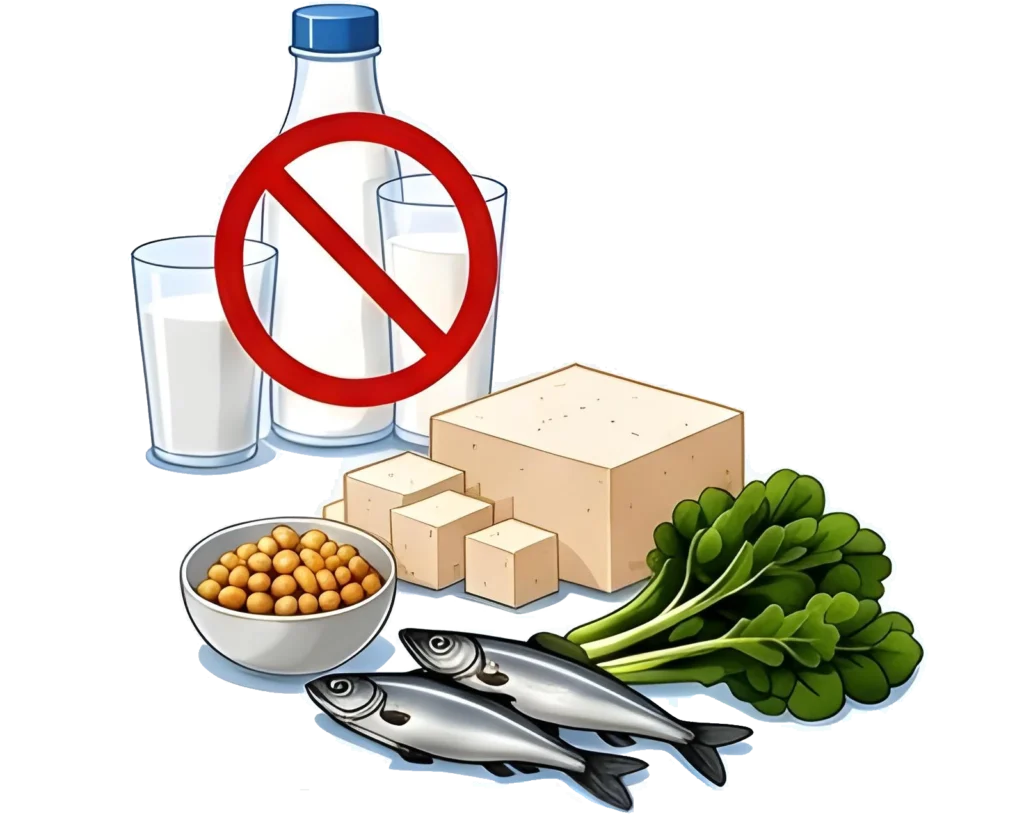
High prevalence of lactose intolerance
Lactose intolerance is common in many Asian populations and dairy intake is often low.
Bone Health Implications
- Lower calcium intake
- Greater risk of inadequate calcium intake throughout life
- Potential impact on peak bone mass and healthy aging
View References

Vitamin D deficiency
Vitamin D deficiency remains common in Asia-Pacific countries.
Contributing Factors
- Indoor work and study environments
- Urban lifestyles with limited outdoor activity
- Air pollution in some urban areas
- Sun avoidance behaviours such as use of sun-protective clothing, umbrellas etc.
View References

Vegetarian and plant-based diets
More prevalent in parts of Asia-Pacific due to cultural, religious and economic factors.
Nutrients That May Need Careful Attention
- Protein
- Vitamin B12
- Vitamin K
- Magnesium
- Zinc
Bone Health Implications
- Potential nutritional gaps affecting bone and muscle health
- Careful dietary planning and supplementation is needed
View References
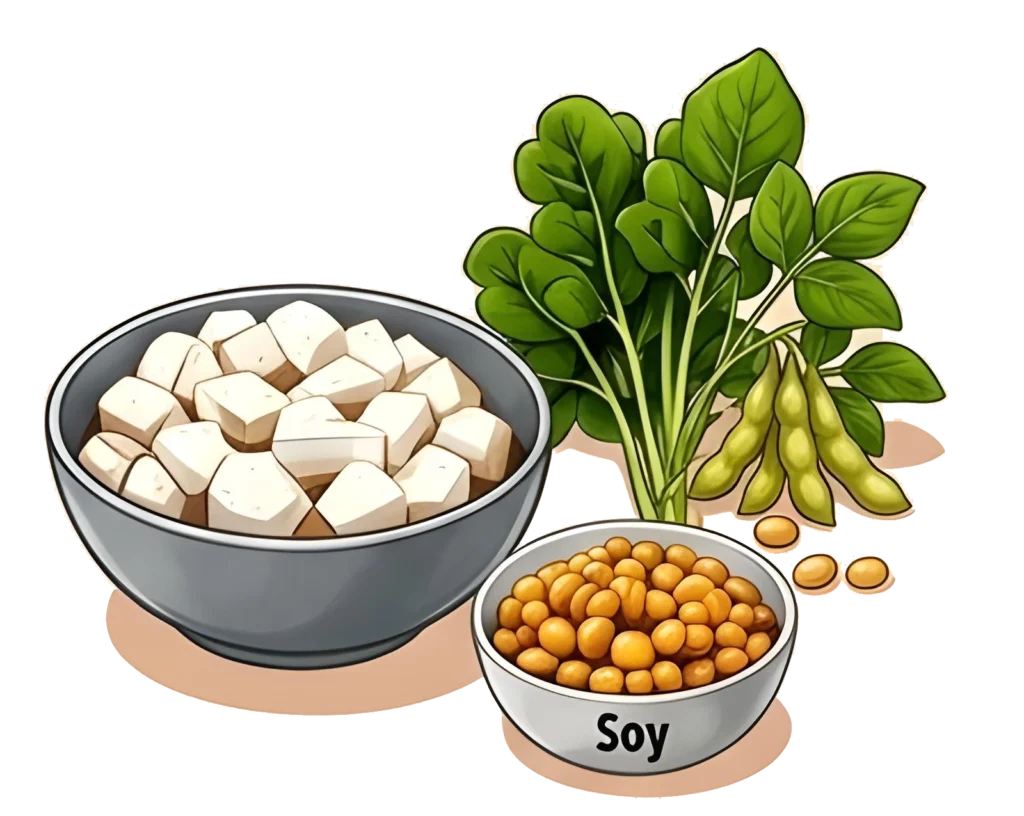
Low calcium intake
Average calcium intake remains below recommended levels in many Asia-Pacific countries.
Contributing Factors
- Lower dairy consumption
- Limited use of calcium-fortified foods in some settings
- Dietary patterns that may not provide sufficient alternative calcium sources
Bone Health Implications
- Reduced peak bone mass
- Possible accelerated bone loss with aging
View references
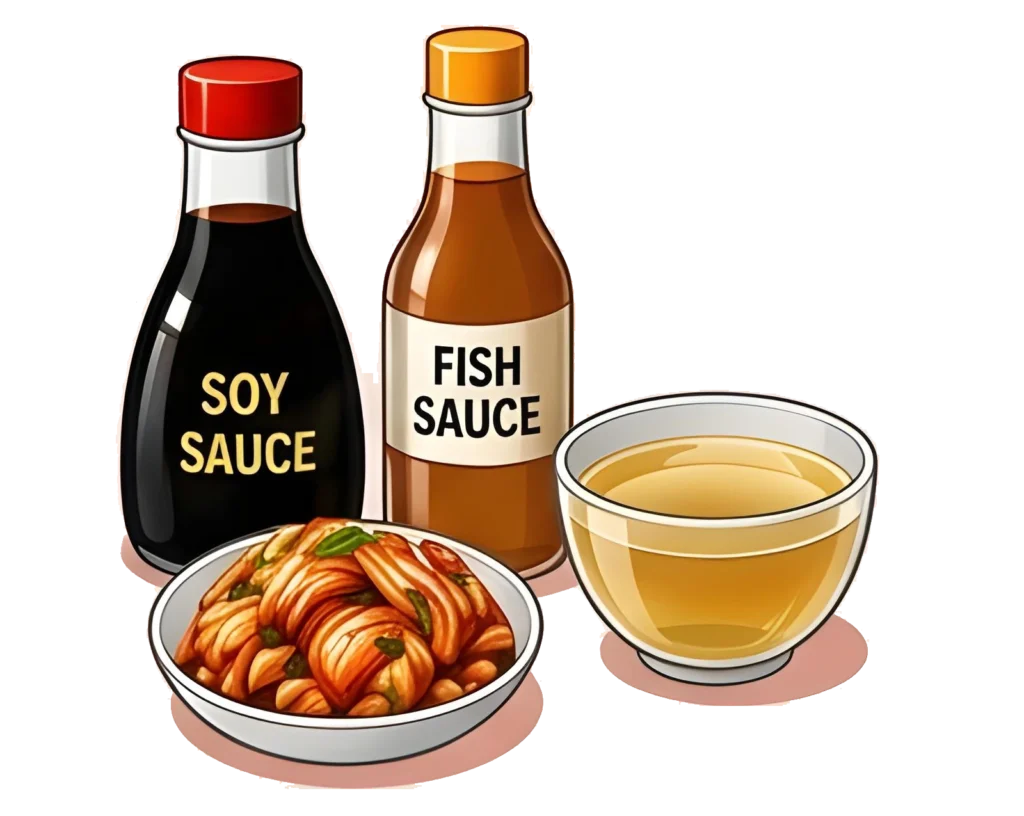
High sodium intake
Many Asia-Pacific diets contain relatively high amounts of sodium.
Sources of High Sodium
- Soy sauce
- Fish sauce
- Fermented and pickled foods
- Processed foods
- Instant noodles
Bone Health Implications
- Increased urinary calcium excretion
- Potential negative effects on calcium balance and bone health, particularly when calcium intake is already low
View References
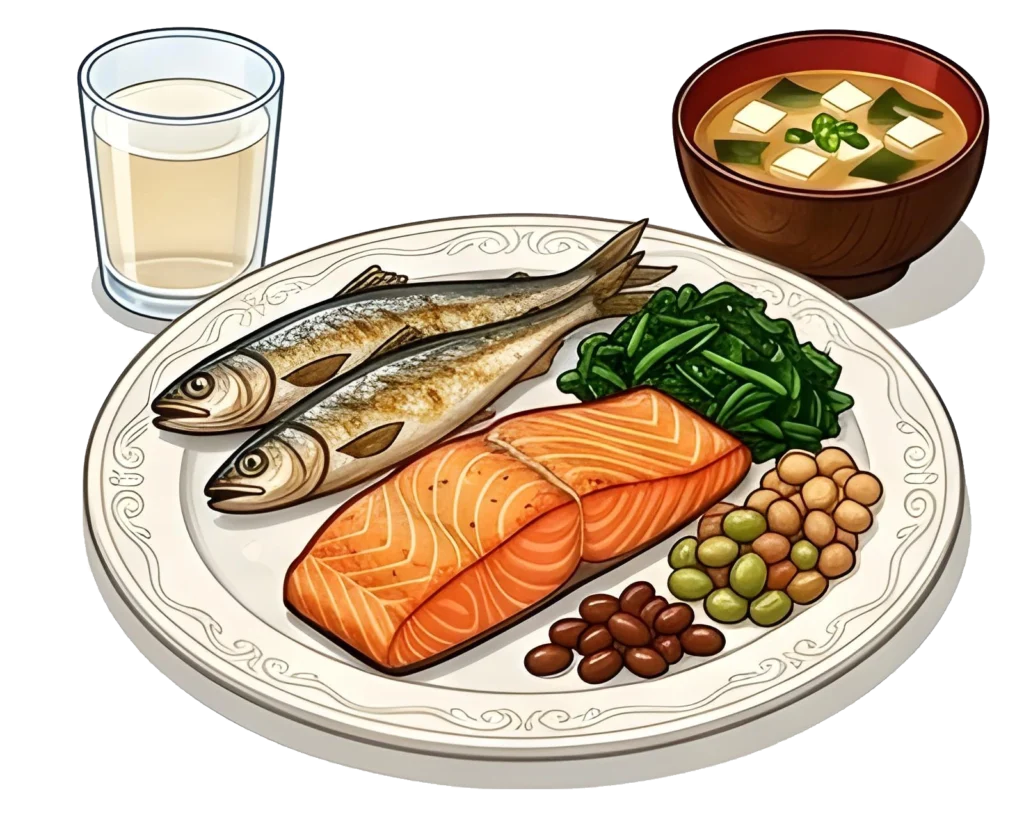
Lower protein intake among older adults
Older adults may consume less protein than recommended.
Contributing Factors
- Traditional dietary habits
- Reduced appetite with aging
- Economic considerations
- Misconceptions regarding protein intake in older age
- Vegetarian diets
Bone Health Implications
- Reduced muscle mass and strength (sarcopenia)
- Increased fall risk
- Greater risk of fragility fractures
- Slower recovery after fractures
View References
Regular Physical Activity
Regular physical activity helps strengthen bones and muscles, improves balance and mobility, and reduces the risk of falls and fractures.
Exercise is beneficial at every age but should be suited to individual abilities and health needs. Those with osteoporosis or previous fractures should seek professional advice before starting new exercises.
Benefits for Bone Health
-
Weight-bearing activities:
Help build and maintain bone strength. -
Muscle-strengthening exercises:
Support muscles and bones, helping improve strength and mobility. -
Balance and functional exercises:
Improve stability and coordination, helping reduce the risk of falls.
Explore the International Osteoporosis Foundation’s Build Better Bones platform for exercise guidance based on individual goals and abilities.
Supporting Bone Health: A Holistic Approach

Adequate Calcium
Aim for recommended intake through diet and fortified foods.

Vitamin D
Safe sun exposure, foods and supplements as needed.

Adequate Protein
Include quality protein sources every day, especially as you age.

Regular Physical Activity
Weight-bearing and muscle-strengthening exercises help build strong bones and prevent falls.

Healthy Lifestyle Habits
Avoid smoking, limit alcohol, maintain healthy weight and prevent falls.
KEY MESSAGE: Healthy bones require a combination of good nutrition, adequate sunlight exposure, physical activity and healthy lifestyle habits.
Brought to you by APCO

Supported by UCB

Legal Disclaimer
The information provided on the APCO BoneConnect (“Platform”) is intended for educational and informational purposes only. It is designed to improve understanding of bone health, osteoporosis, fragility fractures, and related bone conditions. It is not intended to provide medical advice or to diagnose, prevent, monitor, or treat any medical condition. Many bone conditions, as well as many other medical conditions, can present with similar signs and symptoms. The information on this Platform cannot determine the cause of your symptoms or whether you have a particular condition. Nothing on this Platform creates a doctor-patient relationship or any other professional relationship between APCO and you.
If any of the symptoms, experiences, or situations described on this Platform apply to you, keep a record of them and discuss them with your doctor or another qualified healthcare professional. They can assess your individual circumstances, determine whether further investigations or referral to a specialist are appropriate, interpret test results, establish a diagnosis, and recommend suitable management. Please confirm all information obtained from this Platform with other sources and your doctor or qualified healthcare professional. APCO does not warrant or guarantee any treatment, therapy, medication, device, diagnosis, or recommendation of any author or other person available through this Platform. References to symptoms, risk factors, tests, imaging, laboratory investigations, medications, treatments, healthcare services, or specialist referrals are provided solely to support informed discussions with your healthcare professional. They should not be interpreted as recommendations for any particular individual. If you are experiencing a medical emergency, do not use this Platform. Please immediately call a doctor or qualified healthcare professional and the relevant emergency services.
While APCO makes reasonable efforts to ensure the information on this Platform is accurate and current, medical knowledge continues to evolve and the information may not be applicable to every individual or healthcare setting. The contents on this Platform are provided on an “as is” and “as available” basis. APCO makes no warranties or representations of any kind as to (a) the accuracy, currency, usefulness, or completeness of the contents or any part thereof; (b) the appropriateness or suitability of the contents for your purposes; or (c) the error-free or uninterrupted availability of this Platform.
To the fullest extent permitted by applicable law, APCO excludes all implied conditions, warranties, representations, or other terms that may apply to this Platform, its content, and any materials made available through the Platform, including any implied warranties of merchantability, fitness for purpose, or non-infringement. APCO does not endorse or recommend any commercial products, devices, processes, or services disclosed on this Platform. APCO shall not be liable for any loss, injury, damage, or other consequences arising from the use of, inability to use, reliance upon, interpretation of, or application of any information contained on this Platform, including without limitation any direct, indirect, incidental, consequential, or punitive damages. This Platform may contain links to third-party websites. Not all medical resources on the internet are authoritative or current, and APCO accepts no responsibility for any third-party website or any information contained therein. You access any third-party websites at your own risk.
This Platform is supported by an unrestricted educational grant from Union Chimique Belge (“UCB“). UCB has had no involvement in, and has exercised no control or influence over the selection, development, or presentation of the content on this Platform. The content of this Platform is independent of UCB, and nothing on this Platform represents the views, positions, or policies of UCB.