
Blog

New benchmark set to deliver optimal osteoporosis care throughout Asia Pacific

APCO Hero image

Launch of first pan-Asia Pacific minimum clinical standards for the screening, diagnosis & management of osteoporosis


The Asia Pacific Consortium on Osteoporosis (APCO) has today (Thursday, January 28, 2021) launched the first pan-Asia Pacific clinical practice standards for the screening, diagnosis, and management of osteoporosis, targeting a broad range of high-risk groups.

Published in Osteoporosis International today, ‘The APCO Framework’ comprises 16 minimum clinical standards set to serve as a benchmark for the provision of optimal osteoporosis care in the region.

Developed by APCO members representing key osteoporosis stakeholders, and multiple medical and surgical specialities, this set of clear, concise, relevant and pragmatic clinical standards aims to support national societies, guidelines development authorities, and health care policy makers with the development of new guidelines, and to encourage the revision of existing guidelines.

According to the Framework lead author, APCO Chairperson, and Director of the Osteoporosis and Bone Metabolism Unit at Singapore General Hospital, Dr Manju Chandran, Singapore, APCO employed a 5IQ analysis and the well-established Delphi Consensus process to analyse the 18 clinical practice guidelines currently available in the Asia Pacific region, to inform the development of The APCO Framework.

“Utilising a comprehensive, four-round Delphi consensus method enabled our APCO members who work in vastly different health care systems, to reach a remarkable level of consensus on a benchmark set of clinical standards for the provision of quality osteoporosis care for the Asia Pacific region.”

The APCO Framework offers clinicians structured, well-articulated, and readily accessible clinical practice guidelines that define:

  • Individuals to be identified for assessment;
  • Investigations required;
  • Relevant indications for treatment;
  • Appropriate selection of interventions to be made;
  • The guidance and information patients need for self-care;
  • Integration of healthcare systems for optimal provision of care; and
  • The need, and methods for monitoring and improving the quality of osteoporosis care.

“Implementation of The APCO Framework, or a similar set of standards of care informed by the Framework, is expected to significantly reduce the burden of osteoporosis not only in the Asia Pacific region, but also worldwide. We hope that the Framework can serve as a stimulus for harmonisation of guidelines in other regions that have similar socio-econominc diversity and heterogeneity of health care resources,” Dr Chandran said.

Globally, the population aged 65 years or over increased from six per cent in 1990, to nine per cent in 2019.  This proportion is projected to rise to 16 per cent by 2050, meaning one in six people worldwide will be aged 65 years or over by 2050. The number of people aged 60 years and over in the Asia-Pacific region – home to more than a third of the world’s population aged 65 years and over, and to more elderly people than any other region – is predicted to triple between 2010 and 2050, reaching a staggering 1.3 billion people.

Osteoporotic fractures among Asia-Pacific populations are expected to increase exponentially, not only because of the region’s rapidly aging population, but also due to mounting urbanisation, and the subsequent increase in sedentary lifestyles.

Despite the presence of generally safe and effective treatments for osteoporosis, as many as five in six patients presenting to their primary care physician (PCP), or to a hospital with a fragility fracture, will not be assessed for osteoporosis, nor appropriately managed to prevent further fracture.

According to Medical Director of Osteoporosis Australia, and APCO Executive Committee member, Professor Peter Ebeling AO, Australia, as many as half of those who have sustained a hip fracture, have already experienced a previous fracture at other skeletal sites.

“In fact, a prior fracture at any site is associated with a doubling of future fracture and mortality risk.

“The unfortunate ramifications of the gross under-diagnosis and under-treatment of osteoporosis is that a large number of people sustain further debilitating secondary fractures, which places a substantial, but importantly, preventable burden on already strained healthcare systems,” said Prof Ebeling.

A fragility fracture, which occurs every three seconds worldwide, compromises quality of life and loss of independence. Concerningly, one-in-four patients who sustain a hip fracture die within a year, and less than half of those who survive, regain their previous level of function. In 2010, an estimated 158 million people aged 50 years and above were at high risk for osteoporotic fracture – a figure which is set to double by 2040.

According to International Osteoporosis Foundation (IOF) CEO and APCO Executive Committee member, Dr Philippe Halbout, Switzerland, these alarming statistics, coupled with the anticipated, exponential rise in osteoporotic fractures among Asia-Pacific populations, warrant a standardised set of minimum clinical standards for the region.

“Anecdotal evidence to date reveals significant inconsistencies in osteoporosis clinical practice guidelines in the Asia Pacific region, which vary widely in scope and recommendations. This was confirmed when we analysed the 18 guidelines.

“Implementation of the minimum clinical standards proposed by The APCO Framework, and reform of existing guidelines, will support clinical improvement initiatives, while also paving the way for a more holistic approach to osteoporosis care, and ultimately, greater consistency across all national and regional clinical practice guidelines in the region,” Dr Halbout said.

To download or access The APCO Framework, head to www.apcobonehealth.org/apco-framework

To learn more, visit www.apcobonehealth.org or follow APCO on LinkedIn: asia-pacific-consortium-on-osteoporosis

About APCO

The Asia Pacific Consortium on Osteoporosis (APCO) comprises osteoporosis experts from several countries and regions in the Asia Pacific, charged with developing tangible solutions to the substantive challenges involving osteoporosis management and fracture prevention in this most populated and fastest growing part of the world. APCO’s mission is to engage with relevant stakeholders, including healthcare providers, policy makers and the public, to help develop and implement country and region-specific programs for the prevention and treatment of osteoporosis, and its complication of fragility fractures, in the Asia Pacific.

About IOF

The International Osteoporosis Foundation (IOF) is the world’s largest non-governmental organisation dedicated to the prevention, diagnosis and treatment of osteoporosis and related musculoskeletal diseases. IOF’s mission is to promote bone and musculoskeletal health as a worldwide priority.

The 5IQ analysis and Delphi consensus process

The 5IQ exercise assessed the extent of disparity when comparing the national guidelines currently available throughout the Asia Pacific region.

The Delphi technique (a structured communication technique using a systematic, interactive forecasting method reliant upon an expert panel) was employed to achieve APCO member consensus for the development of clinical standards of care.
News

Blog Thumbnail WCO 2026

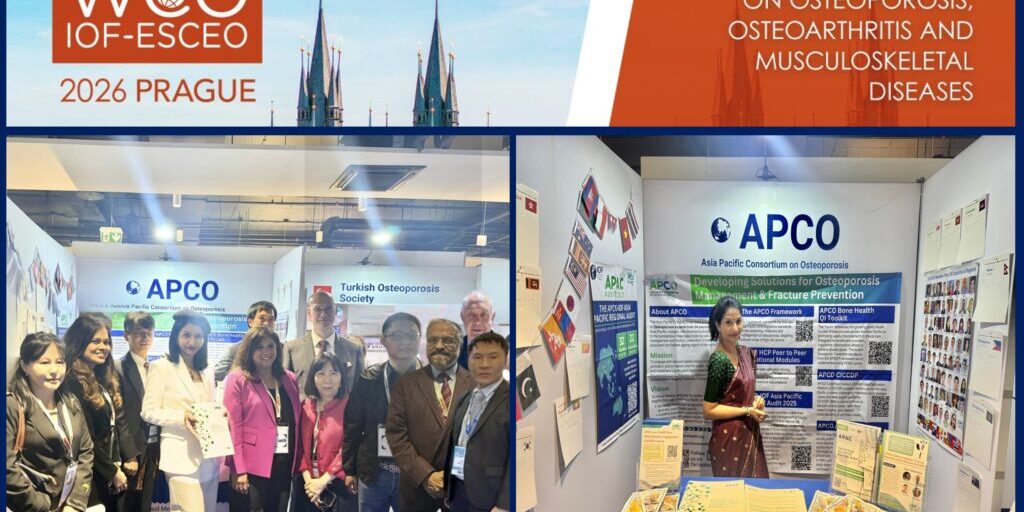
APCO’s Strong Showing in Prague: Highlights from WCO-IOF-ESCEO 2026

Thumbnail

When A Course Becomes an Educational Fiesta! APCO Successfully Delivers the 1st Asia Pacific wide New IOF Fundamentals of Osteoporosis Course

Blog and LinkedIn Thumbnail ONZ Stronger Together strategy

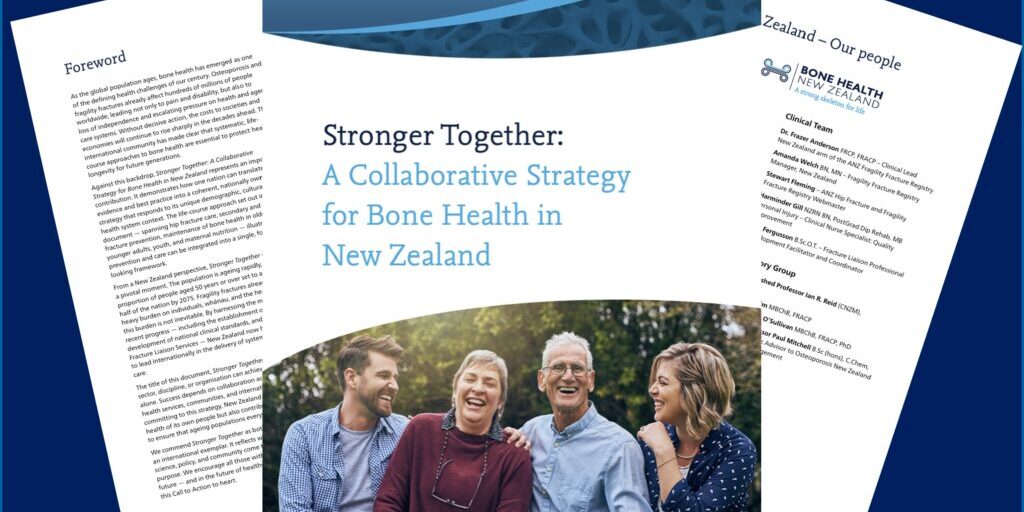
Stronger Together: A New Zealand perspective on building a life-course approach to bone health in the Asia Pacific

Tokyo Blog Thumbnail

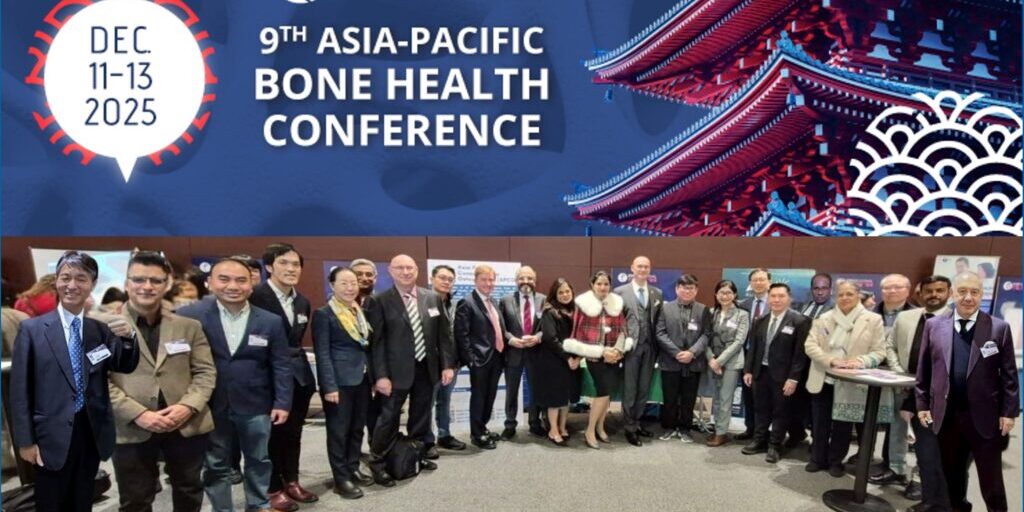
APCO at the 9th IOF Asia-Pacific Bone Health Conference: Advancing Bone Health Together

Blog Final Thumbnail WHO Benchmark

Setting Global Standards for Hip-Fracture Care: Why the New WHO Benchmarks Matter for the Future of Bone Health

Low Calcium Intake

Reference 1: This review examined calcium intake among adults around the world and found that many populations do not consume enough calcium to support good bone health. The authors highlight that low calcium intake is particularly common in many Asian countries, where average intakes are often well below recommended levels. Because calcium is essential for building and maintaining strong bones, inadequate intake may increase the risk of osteoporosis and fractures. The study emphasises the importance of promoting calcium rich foods and other practical ways to help people meet their daily calcium needs.

Citation: Balk EM, Adam GP, Langberg VN, et al. “Global dietary calcium intake among adults: a systematic review.” Osteoporos Int. 2017 Dec;28(12):3315-3324. doi: 10.1007/s00198-017-4230-x. Epub 2017 Oct 12. Erratum in: Osteoporos Int. 2018 May;29(5):1223. doi: 10.1007/s00198-018-4447-3. PMID: 29026938; PMCID: PMC5684325.


Reference 2: This review explores the important role of calcium in maintaining healthy bones throughout life. The authors explain that adequate calcium intake helps build and maintain bone strength, while long term low intake may contribute to bone loss and increase the risk of fractures. The paper also discusses the importance of obtaining calcium from a balanced diet, with supplements considered when dietary intake is insufficient. Overall, the review reinforces that meeting daily calcium needs is an important part of supporting lifelong bone health.

Citation: Cormick G, Belizan JM. “Calcium Intake and Health.” Nutrients. 2019 Jul 15;11(7):1606. doi: 10.3390/nu11071606. PMID: 31311164; PMCID: PMC6683260.


Reference 3: This review explores how common calcium deficiency is around the world and the impact it can have on health. The authors explain that many people do not consume enough calcium, particularly in low and middle income countries, increasing the risk of poor bone health and fractures. The paper highlights the importance of consuming enough calcium throughout life to help build and maintain strong bones. It also emphasises the need for practical strategies, such as improving access to calcium rich foods, fortified foods, and nutrition education, to help people meet their daily calcium needs.

Citation: Shlisky J, Mandlik R, Askari S, et al. “Calcium deficiency worldwide: prevalence of inadequate intakes and associated health outcomes.” Ann N Y Acad Sci. 2022 Jun;1512(1):10-28. doi: 10.1111/nyas.14758. Epub 2022 Mar 5. PMID: 35247225; PMCID: PMC9311836.

High Sodium Intake

Reference 1: This review explored whether eating too much salt affects bone health in postmenopausal women. The authors found that while high salt intake may increase calcium loss from the body, there is currently not enough high quality evidence to clearly determine its long term effects on bone mineral density or fracture risk. The paper highlights the need for more research to better understand this relationship. In the meantime, following general recommendations to limit excessive salt intake remains an important part of maintaining overall health.

Citation: Imash D, Gusmanov A, Chan MY. “High salt intake and bone health in postmenopausal women: exposing the lack of studies – a systematic review and meta-analysis.” Front Endocrinol (Lausanne). 2025 Nov 19;16:1694539. doi: 10.3389/fendo.2025.1694539. PMID: 41347127; PMCID: PMC12672310.


Reference 2: This study explored whether salt intake was linked to bone health in postmenopausal women in southern India. The authors found that women who consumed more salt were more likely to have weaker bones, poorer bone structure, osteoporosis, and vertebral fractures. These findings suggest that excessive salt intake may be associated with poorer bone health in this population. The study adds to growing evidence that a balanced diet, including limiting excess salt, may help support healthy bones.

Citation: John R, Cherian KE, Kapoor N, et al. “Excess dietary salt is associated with an altered bone strain index, degraded bone microarchitecture, vertebral fractures, and increased prevalence of osteoporosis in postmenopausal women – A study from a teaching hospital in southern India.” Aging Med (Milton). 2024 Oct 10;7(5):606-613. doi: 10.1002/agm2.12360. PMID: 39507226; PMCID: PMC11535168.

Lower Protein Intake Among Older Adults

Reference 1: This review explored how protein intake and regular exercise can help slow the progression of age-related muscle loss in older adults living in the community. The authors found that combining adequate protein with strength or resistance exercise was more effective than either approach alone in helping to maintain muscle strength and physical function. The paper highlights that preserving muscle health is important for reducing the risk of falls, fractures, and loss of independence. It also reinforces the value of healthy lifestyle habits in supporting active and healthy ageing.

Citation: Li L, He Y, Jin N, Li H, Liu X. “Effects of protein supplementation and exercise on delaying sarcopenia progression in Asian community-dwelling older adults.” Food Chem X. 2022 Jan 20;13:100210. doi: 10.1016/j.fochx.2022.100210. PMID: 35128383; PMCID: PMC8808080.


Reference 2: This consensus paper encourages a broader focus on maintaining muscle health throughout life rather than only identifying or treating sarcopenia after it develops. The authors explain that healthy muscles are essential for mobility, balance, independence, and overall wellbeing, especially as people age. The paper highlights the importance of regular physical activity, good nutrition, and early action to help preserve muscle strength and function. It also encourages healthcare professionals and the public to view muscle health as an important part of healthy ageing alongside bone health.

Citation: Chen LK, Hsiao FY, Akishita M, et al. “A focus shift from sarcopenia to muscle health in the Asian Working Group for Sarcopenia 2025 Consensus Update.” Nat Aging. 2025 Nov;5(11):2164-2175. doi: 10.1038/s43587-025-01004-y. Epub 2025 Nov 4. PMID: 41188603.

High Prevalence of Lactose Intolerance

Reference 1: This review explores how lactose intolerance may affect bone health. The authors explain that people who avoid dairy because of lactose intolerance may miss out on important nutrients, particularly calcium, if these nutrients are not replaced from other foods. The paper highlights that getting enough calcium is important for maintaining strong bones and reducing the risk of fractures. It also emphasises that there are many ways to meet calcium needs, including lactose free dairy products and other calcium rich foods.

Citation: Hodges JK, Cao S, Cladis DP, Weaver CM. “Lactose Intolerance and Bone Health: The Challenge of Ensuring Adequate Calcium Intake.” Nutrients. 2019 Mar 28;11(4):718. doi: 10.3390/nu11040718. PMID: 30925689; PMCID: PMC6521087.


Reference 2: This review explores whether drinking milk can help support bone health in Asian populations, particularly those at higher risk of osteoporosis. The authors highlight that many people in Asia consume less milk than recommended, which may contribute to lower calcium intake and poorer bone health. The paper explains that milk provides important nutrients for strong bones and discusses practical options for people who cannot tolerate regular milk, such as lactose free milk and yoghurt. Overall, the review suggests that finding suitable ways to include dairy or alternative calcium rich foods in the diet may help support lifelong bone health.

Citation: Jiao H, Xu Y, Zhang Y, et al. “Is it advisable for Asians to drink milk, especially those at risk of osteoporosis?” Front Nutr. 2025 Jun 25;12:1586623. doi: 10.3389/fnut.2025.1586623. PMID: 40635901; PMCID: PMC12239142.


Reference 3: This review explores ways to protect bone health in populations where calcium and vitamin D intake is often too low. The authors explain that getting enough of these nutrients is essential for building and maintaining strong bones, yet deficiencies remain common in many parts of the world. The paper highlights that healthy eating, safe sun exposure, regular physical activity, and, where needed, fortified foods or supplements can all help support bone health. It also emphasises the importance of public health efforts to improve awareness and make nutritious foods more accessible, particularly for people at greater risk of osteoporosis.

Citation: Yeum KJ, Ju S, Choe U. “Strategies for preventing bone loss in populations with inadequate calcium and vitamin D intake.” Nutr Res Pract. 2025 Apr;19(2):155-169. doi: 10.4162/nrp.2025.19.2.155. Epub 2025 Mar 13. PMID: 40226767; PMCID: PMC11982687.

Vitamin D Deficiency Despite Sunshine

Reference 1: This review examined how common vitamin D deficiency is around the world and found that it remains a widespread public health concern. The authors explain that many people do not get enough vitamin D because of factors such as limited sun exposure, diet, and lifestyle. As vitamin D plays an important role in maintaining strong bones and muscles, low levels may increase the risk of poor bone health. The study highlights the importance of improving awareness and ensuring people have adequate vitamin D through safe sun exposure, diet, fortified foods, or supplements when needed.

Citation: Cui A, Zhang T, Xiao P, Fan Z, Wang H, Zhuang Y. “Global and regional prevalence of vitamin D deficiency in population-based studies from 2000 to 2022: A pooled analysis of 7.9 million participants.” Front Nutr. 2023 Mar 17;10:1070808. doi: 10.3389/fnut.2023.1070808. PMID: 37006940; PMCID: PMC10064807.


Reference 2: This review examined vitamin D levels among adults living in South Asia and found that vitamin D deficiency is very common across the region. The authors explain that factors such as limited sun exposure, lifestyle, skin pigmentation, and diet may all contribute to low vitamin D levels. Because vitamin D is essential for maintaining healthy bones and muscles, addressing this deficiency is an important part of supporting lifelong bone health. The study highlights the need for greater awareness and practical strategies to help people achieve adequate vitamin D levels.

Citation: Siddiqee MH, Bhattacharjee B, Siddiqi UR, MeshbahurRahman M. “High prevalence of vitamin D deficiency among the South Asian adults: a systematic review and meta-analysis.” BMC Public Health. 2021 Oct 9;21(1):1823. doi: 10.1186/s12889-021-11888-1. PMID: 34627207; PMCID: PMC8501935.

Vegetarian and Plant-Based Diets

Reference 1: This review explores how vegetarian diets may affect bone health. The authors explain that while well planned vegetarian diets can provide many health benefits, they may also be lower in important nutrients such as calcium, vitamin D, protein, and vitamin B12 if not carefully balanced. The paper highlights that these nutrients play an important role in maintaining strong bones and reducing the risk of fractures. It also emphasises that people following vegetarian diets can support their bone health by choosing a varied, nutrient-rich diet and including fortified foods or supplements when needed.

Citation: Falchetti A, Cavati G, Valenti R, et al. “The effects of vegetarian diets on bone health: A literature review.” Front Endocrinol (Lausanne). 2022 Aug 5;13:899375. doi: 10.3389/fendo.2022.899375. PMID: 35992115; PMCID: PMC9388819.


Reference 2: This review examines how vegetarian diets may influence bone mineral density, a measure of bone strength. The authors explain that people following vegetarian diets may have lower bone mineral density if they do not consume enough nutrients that are important for healthy bones, such as calcium, vitamin D, and protein. However, the paper also highlights that a well planned vegetarian diet can support good bone health when these nutritional needs are met. The review emphasises the importance of choosing a balanced diet to help maintain strong bones throughout life.

Citation: Chuang TL, Lin CH, Wang YF. “Effects of vegetarian diet on bone mineral density.” Tzu Chi Med J. 2020 Sep 16;33(2):128-134. doi: 10.4103/tcmj.tcmj_84_20. PMID: 33912409; PMCID: PMC8059457.


Reference 3: This review examined how vegan and vegetarian diets may affect bone mineral density and fracture risk. The authors found that people following plant based diets, particularly vegan diets, may have lower bone mineral density and a higher risk of fractures if they do not get enough nutrients that support bone health. The paper highlights the importance of consuming adequate calcium, vitamin D, protein, and other key nutrients when following a plant based diet. It also emphasises that well planned vegetarian and vegan diets can support healthy bones when nutritional needs are carefully met.

Citation: Iguacel I, Miguel-Berges ML, Gomez-Bruton A, Moreno LA, Julian C. “Veganism, vegetarianism, bone mineral density, and fracture risk: a systematic review and meta-analysis.” Nutr Rev. 2019 Jan 1;77(1):1-18. doi: 10.1093/nutrit/nuy045. PMID: 30376075.

I Think I Might Be at Risk of Osteoporosis

Why should I ask?

Osteoporosis is often called the “silent disease” because there are usually no symptoms until a fracture occurs. If you have risk factors, it is important to discuss your bone health before a fracture happens. Some common risk factors include but not limited to: Family history, Smoking, Alcohol, Low Body Weight, Age and Previous Falls.

Questions to ask your Doctor

1Am I at risk of osteoporosis?
2Should I have a bone health assessment?
3Should I have a DXA scan?
4What are my personal risk factors for osteoporosis and fractures?
5Are any of my medications affecting my bone health?
6What lifestyle changes can help protect my bones?

I am experiencing Height Loss, Stooped Posture, or Bone Pain

Why should I ask?

Losing height, developing a stooped posture or experiencing persistent back pain may not simply be part of ageing. These symptoms can sometimes be caused by vertebral fractures that happen without a major injury.

Questions to ask your Doctor

1Could my symptoms be caused by osteoporosis?
2Should I have spinal imaging or a VFA?
3Could I have had a spinal fracture without realising it?
4What treatments are available if I have vertebral fractures?
5How can I reduce my risk of future fractures?

I have Risk Factors but my DXA Scan was Normal

Why should I ask?

A normal bone density result does not always mean your bones are healthy. Some people may still be at increased fracture risk because of other risk factors or underlying conditions that affect bone quality.

Questions to ask your Doctor

1Does a normal DXA scan mean I cannot have osteoporosis?
2Why am I still at risk of fractures?
3Should my fracture risk be assessed using other tools?
4Are there additional tests I should have?
5How often should my bone health be reviewed?

I am worried about being on an Osteoporosis Medication

Why should I ask?

Many people are concerned about possible side effects of osteoporosis medicines. Understanding both the benefits and risks can help you make an informed decision with your doctor.

Questions to ask your Doctor

1Why are you recommending this medication?
2What are the common side effects?
3How common are the serious side effects?
4What happens if I decide not to take treatment?
5Are there other treatment options that may be suitable for me?

I am going through Menopause

Why should I ask?

Bone loss accelerates during and after menopause because of declining oestrogen levels. Acting early can help maintain bone strength and reduce future fracture risk.

Questions to ask your Doctor

1Does menopause increase my risk of osteoporosis?
2Should I have a DXA scan?
3Am I getting enough calcium and vitamin D?
4Would hormone therapy or another treatment benefit me?
5What lifestyle changes can help protect my bones?

I Have Another Medical Condition That May Affect My Bones

Why should I ask?

Some medical conditions can weaken bones, affect bone quality or interfere with the body’s ability to absorb important nutrients. Others may increase your risk of falls and thus fractures. These include diabetes, rheumatoid arthritis, thyroid disease, kidney disease, celiac disease among others.

Questions to ask your Doctor

1Does my medical condition increase my risk of osteoporosis or fractures?
2Should I have a DXA scan or other bone health tests?
3Are there treatments that can help protect my bones?
4Do I need to see a bone specialist?
5How often should my bone health be monitored?

I take Long-Term Medicines

Why should I ask?

Some medicines can reduce bone strength or increase fracture risk, particularly if they are taken over a long period. Your doctor can help determine whether you need additional monitoring or treatment.

Questions to ask your Doctor

1Could this medication affect my bones?
2Should I have a DXA scan?
3Do I need calcium or vitamin D supplements?
4Should I take medication to help protect my bones?
5How often should my bone health be reviewed while taking this medication?

I am Falling More Often and am Worried about my Balance

Why should I ask?

Most fragility fractures occur after a fall. Identifying the causes of falls and improving balance and strength can significantly reduce your fracture risk.

Questions to ask your Doctor

1Why might I be falling more often?
2Could my medications be contributing?
3Should my vision or hearing be checked?
4Would physiotherapy or balance training help?
5Can I be referred to a falls prevention programme?

I am an Older Man

Why should I ask?

Although osteoporosis is often thought of as a women’s disease, men can also develop osteoporosis and experience serious fractures. Unfortunately, osteoporosis in men is frequently under-recognised and underdiagnosed.

Questions to ask your Doctor

1Can men develop osteoporosis?
2Should I have a bone density test?
3What are my personal risk factors?
4Do I need treatment to reduce my fracture risk?
5Are there lifestyle changes I should make?

My Blood Tests show Low Vitamin D and/or Low Calcium

Why should I ask?

Vitamin D and calcium play essential roles in maintaining healthy bones. Low levels may contribute to bone loss and increase the risk of fractures if left untreated.

Questions to ask your Doctor

1What may have caused my low vitamin D and/or calcium levels?
2Do I need supplements?
3How much calcium and vitamin D should I be taking?
4Should my levels be checked again?
5Are there other tests needed to identify the underlying cause of my my low vitamin D and/or calcium levels?