
As COVID-19 continues to sweep the globe and distancing restrictions are further tightened, the effective use of telehealth services is more critical now than ever before.
Unfortunately, the presence of osteoporosis doesn’t waver during a pandemic and it is therefore necessary to remain vigilant in the screening, diagnosis and management of the disease during this time.
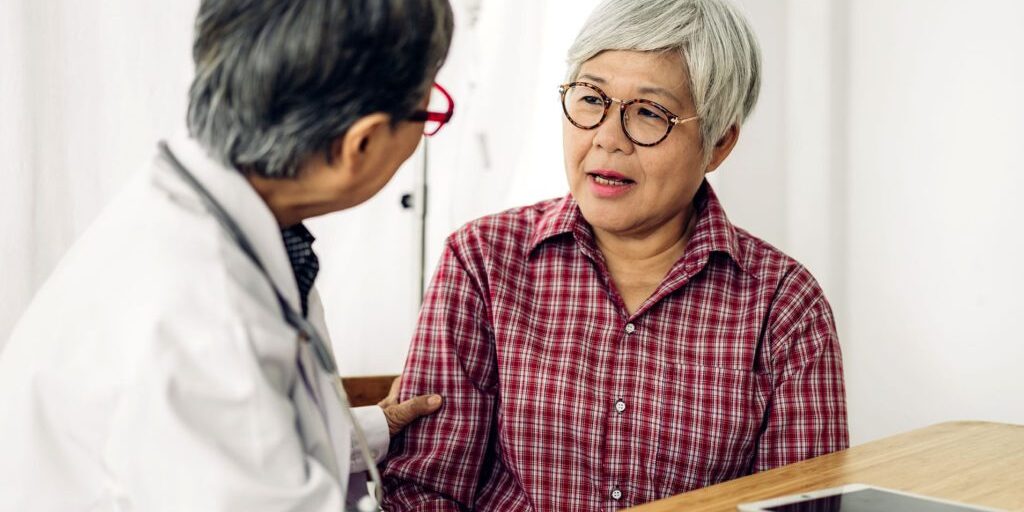
It is important to recognise that many of those living with, or at high risk of osteoporosis, such as the elderly, may also be at an increased risk of serious COVID-19 infection. For this reason, minimising the time spent in a hospital or clinic and ensuring continued adherence to management plans will help to optimise health outcomes for the patient, and reduce the burden on the health system.
Healthcare professionals and patient advocacy groups must play a key role in reassuring patients that they still have access to medication and healthcare advice through telehealth services. Additionally, with social distancing restrictions, some patients who live alone may have limited contact with family members or other health services, which may be problematic in the event of a fragility fracture, particularly for the very elderly.
Ensuring patients have a designated regular point of contact may also help to reduce patient anxiety around the potential of a fall.
The availability of telehealth services affords us the opportunity to be agile during this time and continue the quality detection and management of osteoporosis.