Blog

APCO at the 9th IOF Asia-Pacific Bone Health Conference: Advancing Bone Health Together

Tokyo Blog Thumbnail

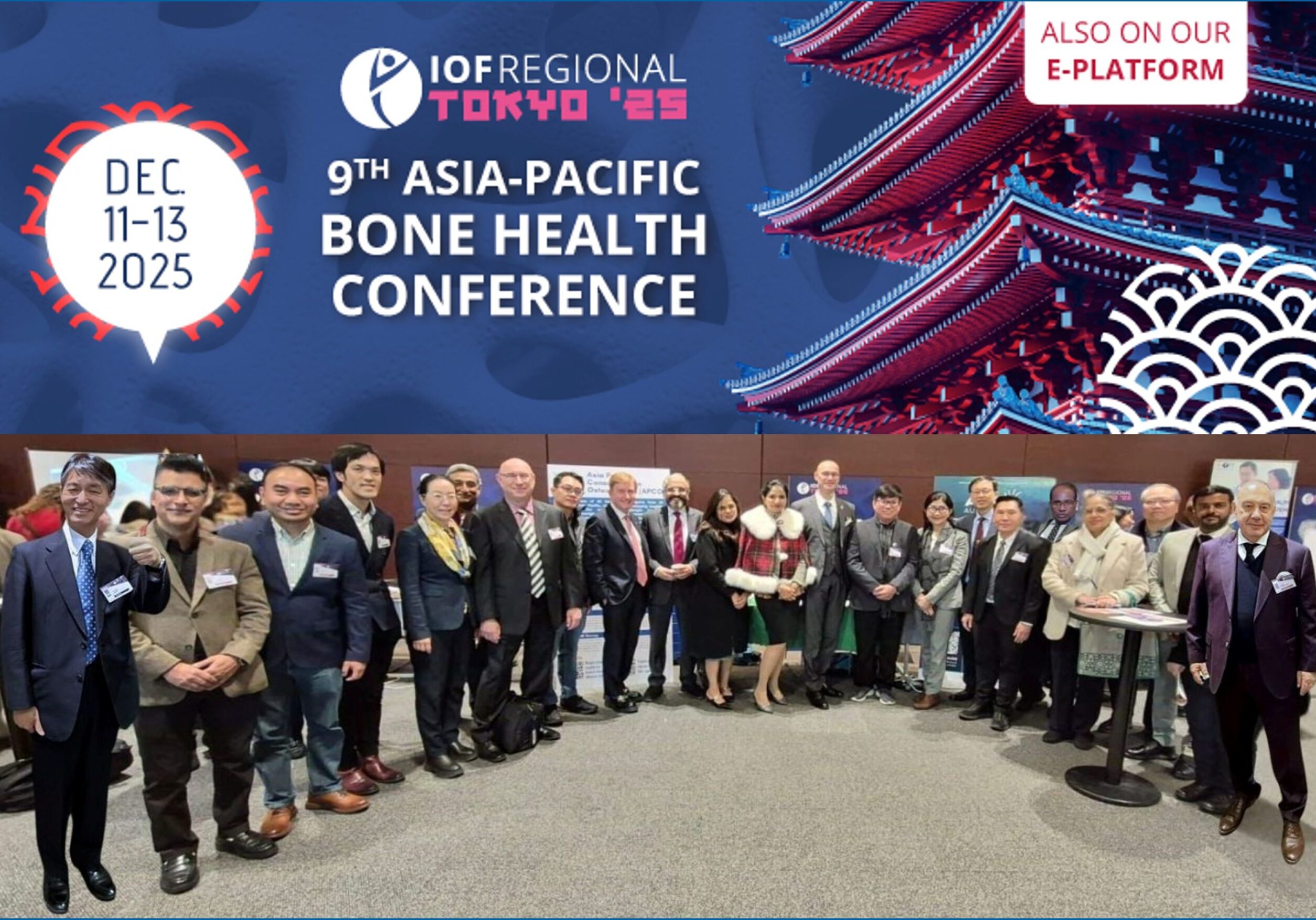
The 9th International Osteoporosis Foundation (IOF) Asia-Pacific Bone Health Conference, held from December 11-13, 2025, at the Hamamatsucho Convention Hall in Tokyo, Japan, served as a critical hub for musculoskeletal health. The Congress Steering Committee that developed the highly impactful scientific program was co-chaired by APCO members, Prof Atsushi Suzuki and Prof Manju Chandran.

The hybrid program combined high-level innovative sessions such as AI-driven osteoporosis diagnosis and fracture risk assessment along with foundational training on various topics that enthralled the global audience. Beyond clinical science, the conference integrated patient advocacy and national health priorities to foster a holistic approach to care. This synergy between research, policy and the merging of clinical therapies with human-centric care, were unique threads that ran throughout the conference and underscored the commitment needed to tackle the rising global burden of bone disease.


A Landmark Launch: The APCO-IOF Asia Pacific Regional Audit 2025
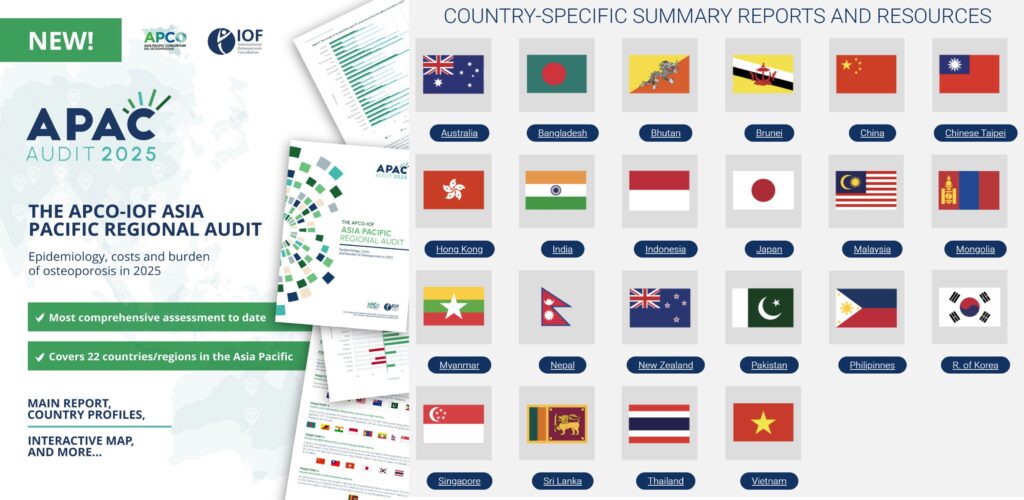
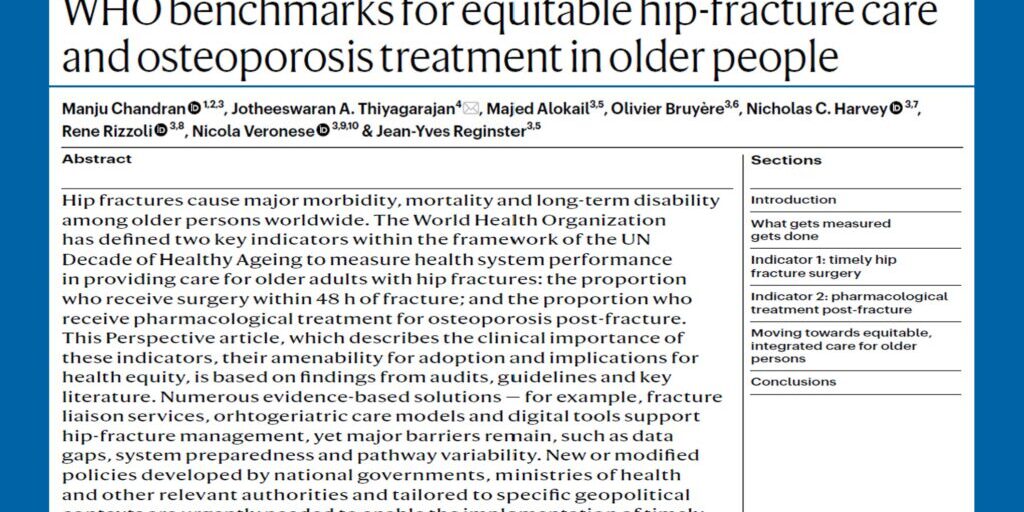
A defining milestone of the opening ceremony on December 11th was the official launch of “The APCO-IOF Asia Pacific Regional Audit: Epidemiology, Costs and Burden of Osteoporosis In 2025”. This comprehensive report provides an unprecedented assessment of bone health across 22 countries and regions. The findings underscore a demographic crossroads: by 2075, the region will house nearly half the world’s population, with life expectancy soaring. As Prof Manju Chandran, Chairperson of APCO and lead author of the Audit noted during the launch, the skyrocketing fracture rates in the AP region, demand immediate action to ensure that longer lives remain independent and healthy.

The Audit also shed light on significant disparities in care across the region. While progress has been made, gaps remain for instance in fracture data collection systems, with only 10 of the 22 countries maintaining centralized databases. Furthermore, reimbursement gaps for newer treatments often hinder patient access. These insights serve as a critical reality check, emphasizing that while medical knowledge has advanced, the infrastructure for delivery must catch up to meet the needs of the aging population.
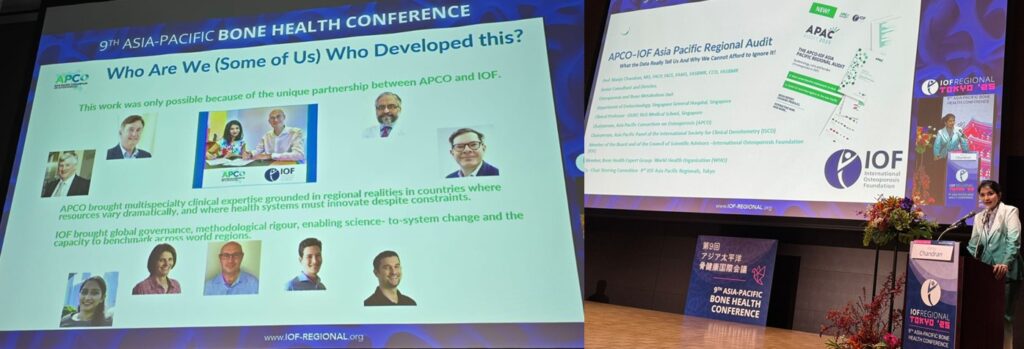
Most significantly, the 2025 Audit serves as a tool for advocacy, giving local organizations the hard data needed to engage with their respective governments. By quantifying the economic and social costs of inaction, the report provides a clear mandate for change. It highlights that the “fracture gap”, the difference between those who need treatment and those who actually receive it, remains a daunting barrier that can only be breached through systemic policy shifts and better-integrated healthcare models.

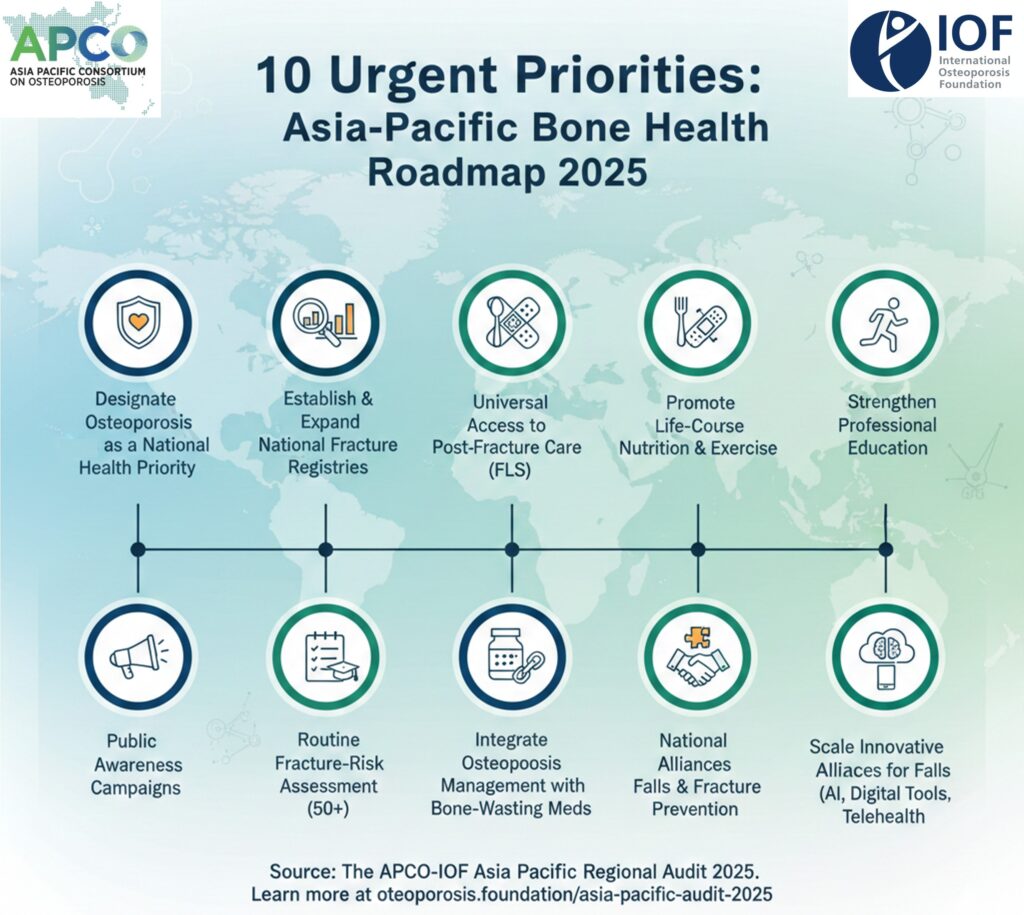
To bridge these gaps, the Audit outlines a ten-point roadmap for the future. Priorities include designating osteoporosis as a national health priority, expanding fracture registries, and scaling innovative models like AI and digital health tools.
Read the Full Report: You can view the complete “APCO-IOF Asia Pacific Regional Audit 2025” and access country-specific resources at the IOF Website.

APCO’s Strong Presence in Tokyo

APCO’s influence was felt throughout the conference, with members leading the scientific discourse and receiving well-deserved accolades for their dedication to the field.

1. Outstanding Achievements in Bone Health Award


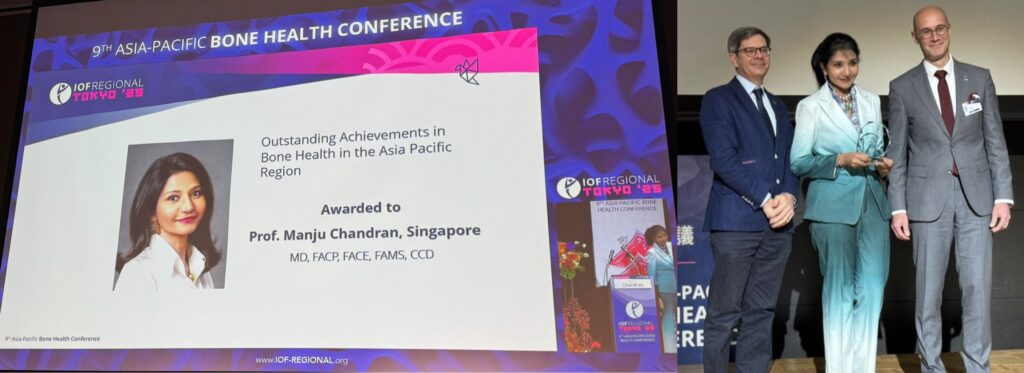
In a moment of immense pride for the consortium, Prof Manju Chandran was honored with the “Outstanding Achievements in Bone Health in the Asia Pacific Region Award”. This prestigious recognition celebrates her tireless work as Chairperson of APCO and her impactful contributions to the cause of both the IOF and APCO.
2. APCO Booth at CNS Village

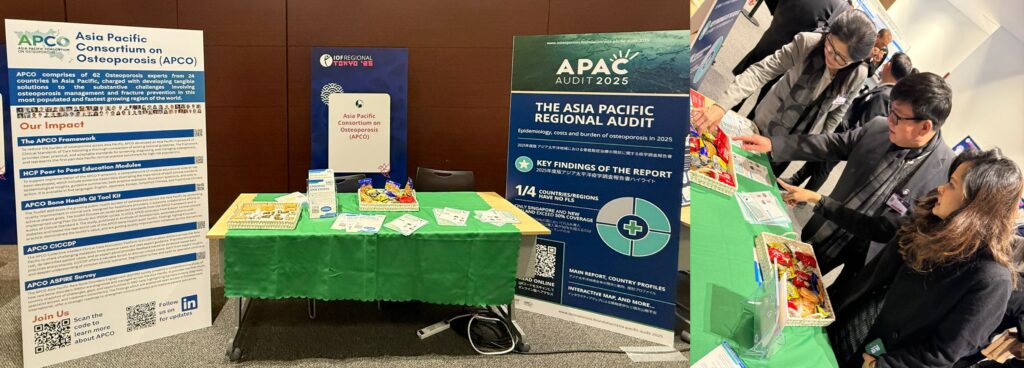
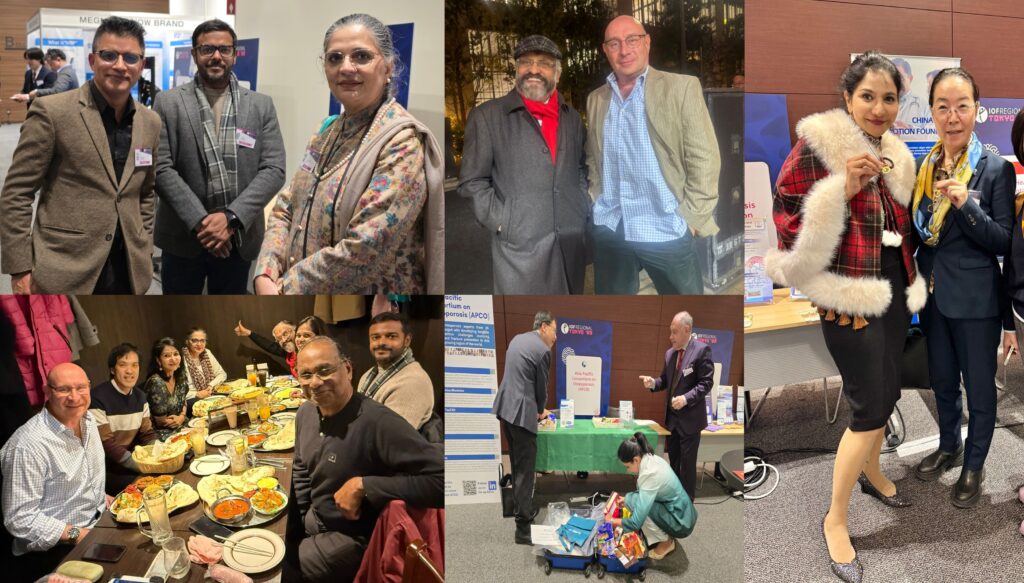
The APCO booth afforded a gathering spot for delegates to learn more about our ongoing initiatives. To add a local flavour, the booth featured snacks from across Asia, providing a warm space for networking and cross-cultural exchange among participants.
3. Recognition for Capture the Fracture® Mentors

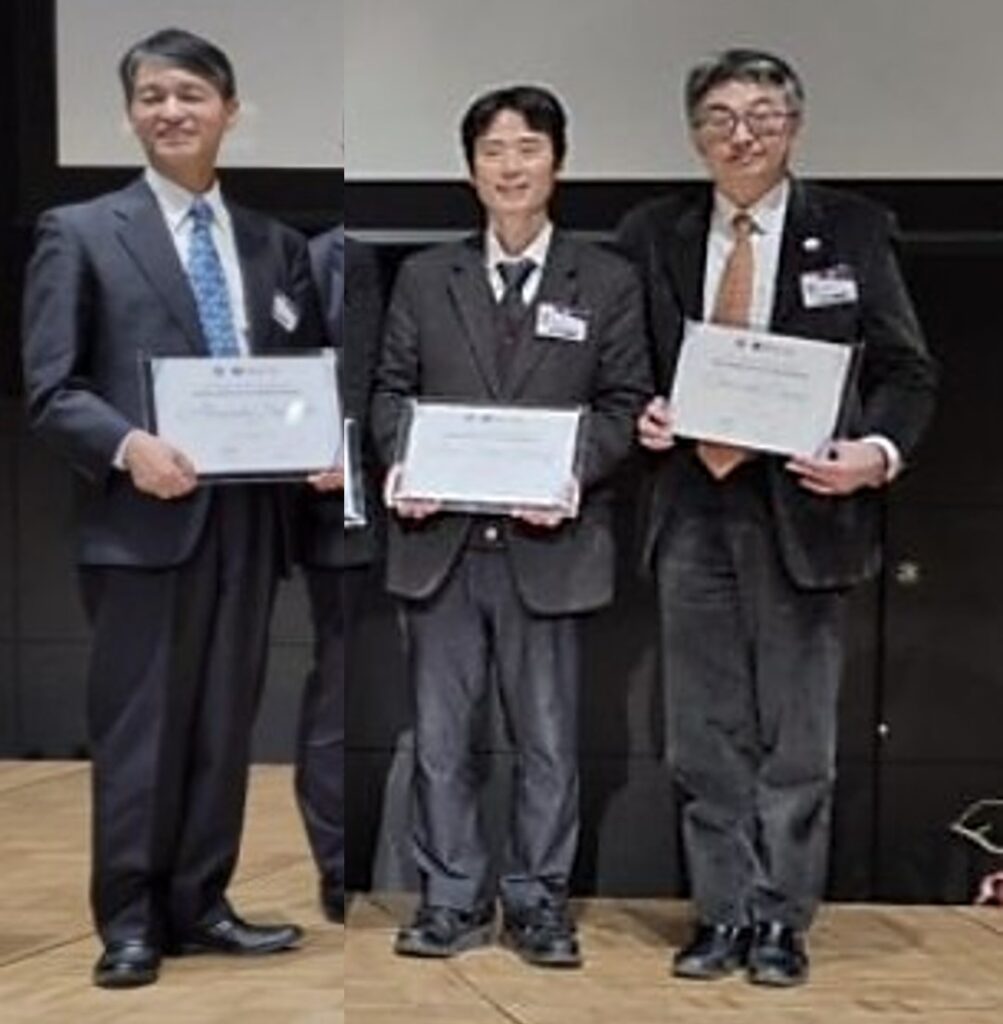
Several APCO members were recognized for their work in secondary fracture prevention through the Capture the Fracture® initiative. Among those honoured for their mentorship and FLS development were Prof Atsushi Suzuki, Prof Yoon-Sok Chung, and Dr Derrick Chan.
4. Presentation of the APCO-SAFES Project Update

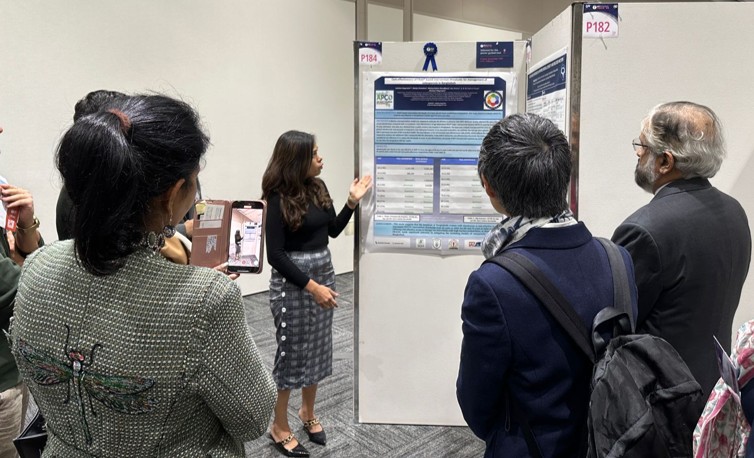
APCO member, Dr Lakshmi Nagendra, who has been working under the tutelage of Prof Manju Chandran and Prof Mickael Hiligsmann (University of Maastricht) presented results from the ongoing collaborative projects between the APCO and the South Asian Federation of Endocrine Societies (SAFES) exploring cost effectiveness of FRAX ® based intervention thresholds and that of establishing FLSs in South Asian countries. Dr Nagendra presented results on the Cost-effectiveness of FRAX® based intervention thresholds for management of osteoporosis in Bangladesh.
5. Scientific Leadership: Speakers and Chairpersons

APCO members were at the forefront of the scientific program, contributing expertise across a wide range of symposia, debates, and educational sessions. In addition, Prof Manju Chandran and Prof Ambrish Mithal led two out of the five official poster tours, guiding in-depth scientific discussions, contextualising emerging data, and fostering critical dialogue between investigators and delegates. APCO members contributed their expertise through the following lectures:
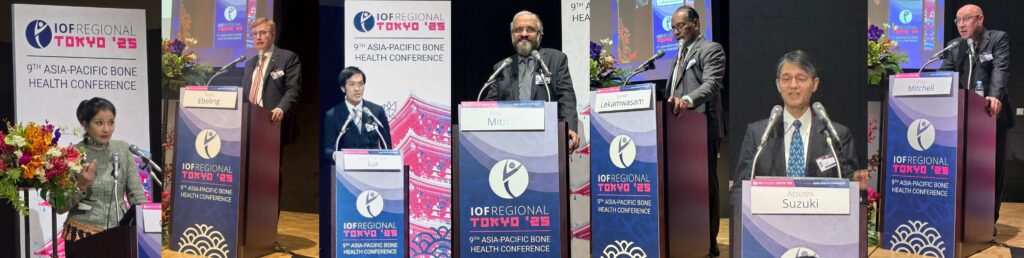
  • Prof Manju Chandran launched the APCO IOF Asia Pacific Audit with an inspiring address at the Opening Ceremony and delivered a plenary lecture on “Burden of Osteoporosis in Asia: Top Line findings from the Asia Pacific Audit”. She also wove together history, fables and science in an enthralling talk on “High BMD Disorders and How They Have Influenced Development of Antiosteoporosis Medicines,” and bridged foundational AI concepts with the latest advances in the field in her talk on “Deep Learning in Detection of Osteoporosis”.
  • Prof Ambrish Mithal presented a comprehensive overview “Vitamin D, Bone and Muscle Health: Controversies and Consensus” and provided a sweeping overview of the Best Clinical Papers in the Asia Pacific for 2024-2025 at the Opening Ceremony.
  • Prof Atsushi Suzuki provided several clinical and health care policy insights at his plenary lecture on “Progress on FLS in Asia Pacific and ensuring quality in FLS: Lessons learned from the APAC”
  • Prof Peter Ebeling presented on “Hip Fractures and Atypical fractures in Asia Pacific” and “CKD-MBD and Osteoporosis”
  • Dr David Lui delivered a lecture on one of the current challenges facing osteoporosis care in the Asia Pacific namely “Diabetes and Osteoporosis – An Asian Epidemic”
  • Prof Sarath Lekamwasam presented on the extremely complex topic of “Glucocorticoid Induced Osteoporosis”
  • Prof Paul Mitchell delivered an insightful lecture on “Utilizing Database-Driven KPIs to Standardize Healthcare Quality in Fragility Fracture Management”
  • Prof Akira Taguchi spoke on a very innovative topic namely “AI in Dentistry: Promoting Early Detection of Osteoporosis and Interprofessional Collaboration”

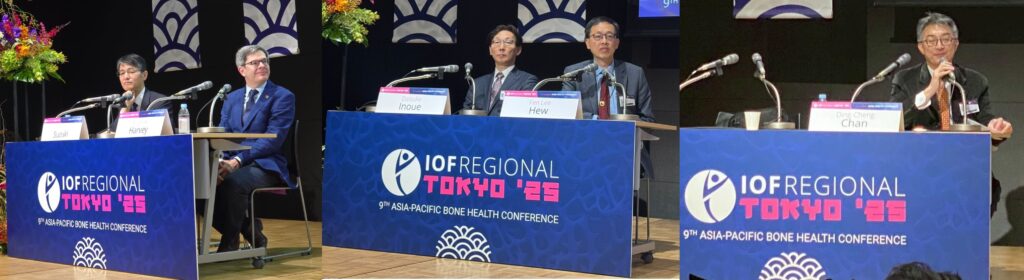
Our members also provided critical leadership as Session Chairpersons, with Dr Hew Fen Lee, Prof Chung Yoon-Sok, Prof Ding-Cheng (Derrick) Chan chairing and moderating several Plenary sessions.
A Celebration of Collaboration

The success of the 9th IOF Asia-Pacific Bone Health Conference was more than just a scientific achievement. It was a celebration of the collaboration and innovation that define our community. We extend our heartfelt gratitude to all APCO members who contributed as speakers, chairs, and participants. APCO’s strong presence in Tokyo reflects the growing influence of Asia-Pacific leadership in musculoskeletal health, and we look forward to carrying this momentum into the years ahead.
News

IOF WOD 2025 Edit

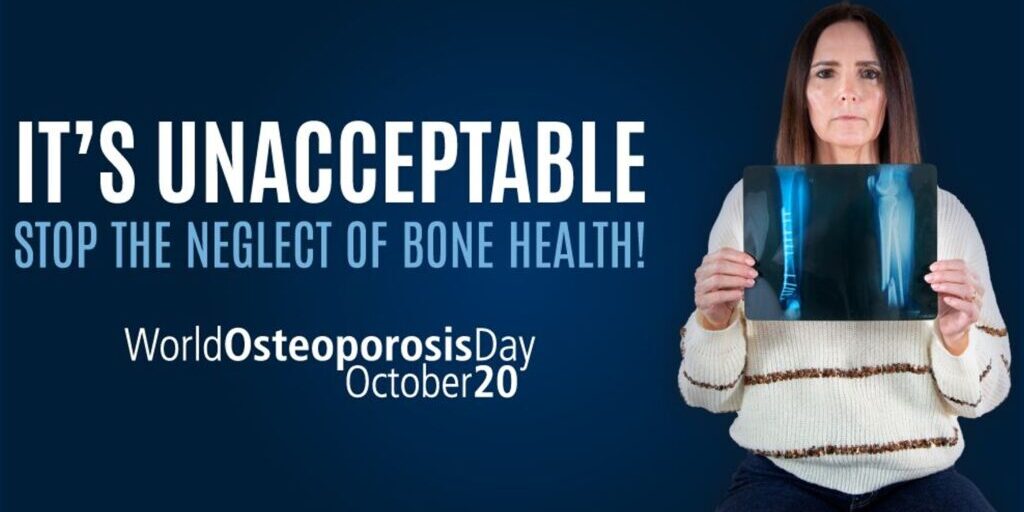
World Osteoporosis Day 2025: APCO Members Unite for Global Bone Health

ASPIRE Blog Thumbnail

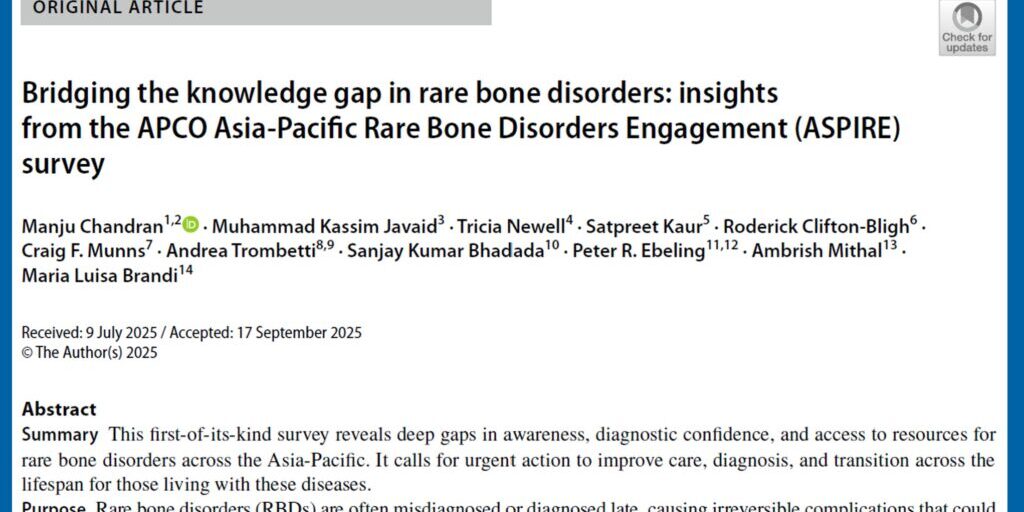
A Landmark Study in Rare Bone Disorders: What the ASPIRE Survey Reveals

AFOS 2025 Blog Thumbnail 3

APCO Members Shine at AFOS 2025

WhatsApp Image 2025-09-15 at 11.55.21 PM (2)

Mongolia Hosts its First-Ever International Conference on Bone and Muscle Health

IOF Rome Thumbnail Final

Making History in Rome: APCO Shines at WCO-IOF-ESCEO 2025

Low Calcium Intake

Reference 1: This review examined calcium intake among adults around the world and found that many populations do not consume enough calcium to support good bone health. The authors highlight that low calcium intake is particularly common in many Asian countries, where average intakes are often well below recommended levels. Because calcium is essential for building and maintaining strong bones, inadequate intake may increase the risk of osteoporosis and fractures. The study emphasises the importance of promoting calcium rich foods and other practical ways to help people meet their daily calcium needs.

Citation: Balk EM, Adam GP, Langberg VN, et al. “Global dietary calcium intake among adults: a systematic review.” Osteoporos Int. 2017 Dec;28(12):3315-3324. doi: 10.1007/s00198-017-4230-x. Epub 2017 Oct 12. Erratum in: Osteoporos Int. 2018 May;29(5):1223. doi: 10.1007/s00198-018-4447-3. PMID: 29026938; PMCID: PMC5684325.


Reference 2: This review explores the important role of calcium in maintaining healthy bones throughout life. The authors explain that adequate calcium intake helps build and maintain bone strength, while long term low intake may contribute to bone loss and increase the risk of fractures. The paper also discusses the importance of obtaining calcium from a balanced diet, with supplements considered when dietary intake is insufficient. Overall, the review reinforces that meeting daily calcium needs is an important part of supporting lifelong bone health.

Citation: Cormick G, Belizan JM. “Calcium Intake and Health.” Nutrients. 2019 Jul 15;11(7):1606. doi: 10.3390/nu11071606. PMID: 31311164; PMCID: PMC6683260.


Reference 3: This review explores how common calcium deficiency is around the world and the impact it can have on health. The authors explain that many people do not consume enough calcium, particularly in low and middle income countries, increasing the risk of poor bone health and fractures. The paper highlights the importance of consuming enough calcium throughout life to help build and maintain strong bones. It also emphasises the need for practical strategies, such as improving access to calcium rich foods, fortified foods, and nutrition education, to help people meet their daily calcium needs.

Citation: Shlisky J, Mandlik R, Askari S, et al. “Calcium deficiency worldwide: prevalence of inadequate intakes and associated health outcomes.” Ann N Y Acad Sci. 2022 Jun;1512(1):10-28. doi: 10.1111/nyas.14758. Epub 2022 Mar 5. PMID: 35247225; PMCID: PMC9311836.

High Sodium Intake

Reference 1: This review explored whether eating too much salt affects bone health in postmenopausal women. The authors found that while high salt intake may increase calcium loss from the body, there is currently not enough high quality evidence to clearly determine its long term effects on bone mineral density or fracture risk. The paper highlights the need for more research to better understand this relationship. In the meantime, following general recommendations to limit excessive salt intake remains an important part of maintaining overall health.

Citation: Imash D, Gusmanov A, Chan MY. “High salt intake and bone health in postmenopausal women: exposing the lack of studies – a systematic review and meta-analysis.” Front Endocrinol (Lausanne). 2025 Nov 19;16:1694539. doi: 10.3389/fendo.2025.1694539. PMID: 41347127; PMCID: PMC12672310.


Reference 2: This study explored whether salt intake was linked to bone health in postmenopausal women in southern India. The authors found that women who consumed more salt were more likely to have weaker bones, poorer bone structure, osteoporosis, and vertebral fractures. These findings suggest that excessive salt intake may be associated with poorer bone health in this population. The study adds to growing evidence that a balanced diet, including limiting excess salt, may help support healthy bones.

Citation: John R, Cherian KE, Kapoor N, et al. “Excess dietary salt is associated with an altered bone strain index, degraded bone microarchitecture, vertebral fractures, and increased prevalence of osteoporosis in postmenopausal women – A study from a teaching hospital in southern India.” Aging Med (Milton). 2024 Oct 10;7(5):606-613. doi: 10.1002/agm2.12360. PMID: 39507226; PMCID: PMC11535168.

Lower Protein Intake Among Older Adults

Reference 1: This review explored how protein intake and regular exercise can help slow the progression of age-related muscle loss in older adults living in the community. The authors found that combining adequate protein with strength or resistance exercise was more effective than either approach alone in helping to maintain muscle strength and physical function. The paper highlights that preserving muscle health is important for reducing the risk of falls, fractures, and loss of independence. It also reinforces the value of healthy lifestyle habits in supporting active and healthy ageing.

Citation: Li L, He Y, Jin N, Li H, Liu X. “Effects of protein supplementation and exercise on delaying sarcopenia progression in Asian community-dwelling older adults.” Food Chem X. 2022 Jan 20;13:100210. doi: 10.1016/j.fochx.2022.100210. PMID: 35128383; PMCID: PMC8808080.


Reference 2: This consensus paper encourages a broader focus on maintaining muscle health throughout life rather than only identifying or treating sarcopenia after it develops. The authors explain that healthy muscles are essential for mobility, balance, independence, and overall wellbeing, especially as people age. The paper highlights the importance of regular physical activity, good nutrition, and early action to help preserve muscle strength and function. It also encourages healthcare professionals and the public to view muscle health as an important part of healthy ageing alongside bone health.

Citation: Chen LK, Hsiao FY, Akishita M, et al. “A focus shift from sarcopenia to muscle health in the Asian Working Group for Sarcopenia 2025 Consensus Update.” Nat Aging. 2025 Nov;5(11):2164-2175. doi: 10.1038/s43587-025-01004-y. Epub 2025 Nov 4. PMID: 41188603.

High Prevalence of Lactose Intolerance

Reference 1: This review explores how lactose intolerance may affect bone health. The authors explain that people who avoid dairy because of lactose intolerance may miss out on important nutrients, particularly calcium, if these nutrients are not replaced from other foods. The paper highlights that getting enough calcium is important for maintaining strong bones and reducing the risk of fractures. It also emphasises that there are many ways to meet calcium needs, including lactose free dairy products and other calcium rich foods.

Citation: Hodges JK, Cao S, Cladis DP, Weaver CM. “Lactose Intolerance and Bone Health: The Challenge of Ensuring Adequate Calcium Intake.” Nutrients. 2019 Mar 28;11(4):718. doi: 10.3390/nu11040718. PMID: 30925689; PMCID: PMC6521087.


Reference 2: This review explores whether drinking milk can help support bone health in Asian populations, particularly those at higher risk of osteoporosis. The authors highlight that many people in Asia consume less milk than recommended, which may contribute to lower calcium intake and poorer bone health. The paper explains that milk provides important nutrients for strong bones and discusses practical options for people who cannot tolerate regular milk, such as lactose free milk and yoghurt. Overall, the review suggests that finding suitable ways to include dairy or alternative calcium rich foods in the diet may help support lifelong bone health.

Citation: Jiao H, Xu Y, Zhang Y, et al. “Is it advisable for Asians to drink milk, especially those at risk of osteoporosis?” Front Nutr. 2025 Jun 25;12:1586623. doi: 10.3389/fnut.2025.1586623. PMID: 40635901; PMCID: PMC12239142.


Reference 3: This review explores ways to protect bone health in populations where calcium and vitamin D intake is often too low. The authors explain that getting enough of these nutrients is essential for building and maintaining strong bones, yet deficiencies remain common in many parts of the world. The paper highlights that healthy eating, safe sun exposure, regular physical activity, and, where needed, fortified foods or supplements can all help support bone health. It also emphasises the importance of public health efforts to improve awareness and make nutritious foods more accessible, particularly for people at greater risk of osteoporosis.

Citation: Yeum KJ, Ju S, Choe U. “Strategies for preventing bone loss in populations with inadequate calcium and vitamin D intake.” Nutr Res Pract. 2025 Apr;19(2):155-169. doi: 10.4162/nrp.2025.19.2.155. Epub 2025 Mar 13. PMID: 40226767; PMCID: PMC11982687.

Vitamin D Deficiency Despite Sunshine

Reference 1: This review examined how common vitamin D deficiency is around the world and found that it remains a widespread public health concern. The authors explain that many people do not get enough vitamin D because of factors such as limited sun exposure, diet, and lifestyle. As vitamin D plays an important role in maintaining strong bones and muscles, low levels may increase the risk of poor bone health. The study highlights the importance of improving awareness and ensuring people have adequate vitamin D through safe sun exposure, diet, fortified foods, or supplements when needed.

Citation: Cui A, Zhang T, Xiao P, Fan Z, Wang H, Zhuang Y. “Global and regional prevalence of vitamin D deficiency in population-based studies from 2000 to 2022: A pooled analysis of 7.9 million participants.” Front Nutr. 2023 Mar 17;10:1070808. doi: 10.3389/fnut.2023.1070808. PMID: 37006940; PMCID: PMC10064807.


Reference 2: This review examined vitamin D levels among adults living in South Asia and found that vitamin D deficiency is very common across the region. The authors explain that factors such as limited sun exposure, lifestyle, skin pigmentation, and diet may all contribute to low vitamin D levels. Because vitamin D is essential for maintaining healthy bones and muscles, addressing this deficiency is an important part of supporting lifelong bone health. The study highlights the need for greater awareness and practical strategies to help people achieve adequate vitamin D levels.

Citation: Siddiqee MH, Bhattacharjee B, Siddiqi UR, MeshbahurRahman M. “High prevalence of vitamin D deficiency among the South Asian adults: a systematic review and meta-analysis.” BMC Public Health. 2021 Oct 9;21(1):1823. doi: 10.1186/s12889-021-11888-1. PMID: 34627207; PMCID: PMC8501935.

Vegetarian and Plant-Based Diets

Reference 1: This review explores how vegetarian diets may affect bone health. The authors explain that while well planned vegetarian diets can provide many health benefits, they may also be lower in important nutrients such as calcium, vitamin D, protein, and vitamin B12 if not carefully balanced. The paper highlights that these nutrients play an important role in maintaining strong bones and reducing the risk of fractures. It also emphasises that people following vegetarian diets can support their bone health by choosing a varied, nutrient-rich diet and including fortified foods or supplements when needed.

Citation: Falchetti A, Cavati G, Valenti R, et al. “The effects of vegetarian diets on bone health: A literature review.” Front Endocrinol (Lausanne). 2022 Aug 5;13:899375. doi: 10.3389/fendo.2022.899375. PMID: 35992115; PMCID: PMC9388819.


Reference 2: This review examines how vegetarian diets may influence bone mineral density, a measure of bone strength. The authors explain that people following vegetarian diets may have lower bone mineral density if they do not consume enough nutrients that are important for healthy bones, such as calcium, vitamin D, and protein. However, the paper also highlights that a well planned vegetarian diet can support good bone health when these nutritional needs are met. The review emphasises the importance of choosing a balanced diet to help maintain strong bones throughout life.

Citation: Chuang TL, Lin CH, Wang YF. “Effects of vegetarian diet on bone mineral density.” Tzu Chi Med J. 2020 Sep 16;33(2):128-134. doi: 10.4103/tcmj.tcmj_84_20. PMID: 33912409; PMCID: PMC8059457.


Reference 3: This review examined how vegan and vegetarian diets may affect bone mineral density and fracture risk. The authors found that people following plant based diets, particularly vegan diets, may have lower bone mineral density and a higher risk of fractures if they do not get enough nutrients that support bone health. The paper highlights the importance of consuming adequate calcium, vitamin D, protein, and other key nutrients when following a plant based diet. It also emphasises that well planned vegetarian and vegan diets can support healthy bones when nutritional needs are carefully met.

Citation: Iguacel I, Miguel-Berges ML, Gomez-Bruton A, Moreno LA, Julian C. “Veganism, vegetarianism, bone mineral density, and fracture risk: a systematic review and meta-analysis.” Nutr Rev. 2019 Jan 1;77(1):1-18. doi: 10.1093/nutrit/nuy045. PMID: 30376075.

I Think I Might Be at Risk of Osteoporosis

Why should I ask?

Osteoporosis is often called the “silent disease” because there are usually no symptoms until a fracture occurs. If you have risk factors, it is important to discuss your bone health before a fracture happens. Some common risk factors include but not limited to: Family history, Smoking, Alcohol, Low Body Weight, Age and Previous Falls.

Questions to ask your Doctor

1Am I at risk of osteoporosis?
2Should I have a bone health assessment?
3Should I have a DXA scan?
4What are my personal risk factors for osteoporosis and fractures?
5Are any of my medications affecting my bone health?
6What lifestyle changes can help protect my bones?

I am experiencing Height Loss, Stooped Posture, or Bone Pain

Why should I ask?

Losing height, developing a stooped posture or experiencing persistent back pain may not simply be part of ageing. These symptoms can sometimes be caused by vertebral fractures that happen without a major injury.

Questions to ask your Doctor

1Could my symptoms be caused by osteoporosis?
2Should I have spinal imaging or a VFA?
3Could I have had a spinal fracture without realising it?
4What treatments are available if I have vertebral fractures?
5How can I reduce my risk of future fractures?

I have Risk Factors but my DXA Scan was Normal

Why should I ask?

A normal bone density result does not always mean your bones are healthy. Some people may still be at increased fracture risk because of other risk factors or underlying conditions that affect bone quality.

Questions to ask your Doctor

1Does a normal DXA scan mean I cannot have osteoporosis?
2Why am I still at risk of fractures?
3Should my fracture risk be assessed using other tools?
4Are there additional tests I should have?
5How often should my bone health be reviewed?

I am worried about being on an Osteoporosis Medication

Why should I ask?

Many people are concerned about possible side effects of osteoporosis medicines. Understanding both the benefits and risks can help you make an informed decision with your doctor.

Questions to ask your Doctor

1Why are you recommending this medication?
2What are the common side effects?
3How common are the serious side effects?
4What happens if I decide not to take treatment?
5Are there other treatment options that may be suitable for me?

I am going through Menopause

Why should I ask?

Bone loss accelerates during and after menopause because of declining oestrogen levels. Acting early can help maintain bone strength and reduce future fracture risk.

Questions to ask your Doctor

1Does menopause increase my risk of osteoporosis?
2Should I have a DXA scan?
3Am I getting enough calcium and vitamin D?
4Would hormone therapy or another treatment benefit me?
5What lifestyle changes can help protect my bones?

I Have Another Medical Condition That May Affect My Bones

Why should I ask?

Some medical conditions can weaken bones, affect bone quality or interfere with the body’s ability to absorb important nutrients. Others may increase your risk of falls and thus fractures. These include diabetes, rheumatoid arthritis, thyroid disease, kidney disease, celiac disease among others.

Questions to ask your Doctor

1Does my medical condition increase my risk of osteoporosis or fractures?
2Should I have a DXA scan or other bone health tests?
3Are there treatments that can help protect my bones?
4Do I need to see a bone specialist?
5How often should my bone health be monitored?

I take Long-Term Medicines

Why should I ask?

Some medicines can reduce bone strength or increase fracture risk, particularly if they are taken over a long period. Your doctor can help determine whether you need additional monitoring or treatment.

Questions to ask your Doctor

1Could this medication affect my bones?
2Should I have a DXA scan?
3Do I need calcium or vitamin D supplements?
4Should I take medication to help protect my bones?
5How often should my bone health be reviewed while taking this medication?

I am Falling More Often and am Worried about my Balance

Why should I ask?

Most fragility fractures occur after a fall. Identifying the causes of falls and improving balance and strength can significantly reduce your fracture risk.

Questions to ask your Doctor

1Why might I be falling more often?
2Could my medications be contributing?
3Should my vision or hearing be checked?
4Would physiotherapy or balance training help?
5Can I be referred to a falls prevention programme?

I am an Older Man

Why should I ask?

Although osteoporosis is often thought of as a women’s disease, men can also develop osteoporosis and experience serious fractures. Unfortunately, osteoporosis in men is frequently under-recognised and underdiagnosed.

Questions to ask your Doctor

1Can men develop osteoporosis?
2Should I have a bone density test?
3What are my personal risk factors?
4Do I need treatment to reduce my fracture risk?
5Are there lifestyle changes I should make?

My Blood Tests show Low Vitamin D and/or Low Calcium

Why should I ask?

Vitamin D and calcium play essential roles in maintaining healthy bones. Low levels may contribute to bone loss and increase the risk of fractures if left untreated.

Questions to ask your Doctor

1What may have caused my low vitamin D and/or calcium levels?
2Do I need supplements?
3How much calcium and vitamin D should I be taking?
4Should my levels be checked again?
5Are there other tests needed to identify the underlying cause of my my low vitamin D and/or calcium levels?