Blog

“The journey of a thousand miles begins with a single step”

CYR05665

APCO Scientific Summit in Singapore


Stemming the bone health crisis in the world’s most populous & fastest ageing region


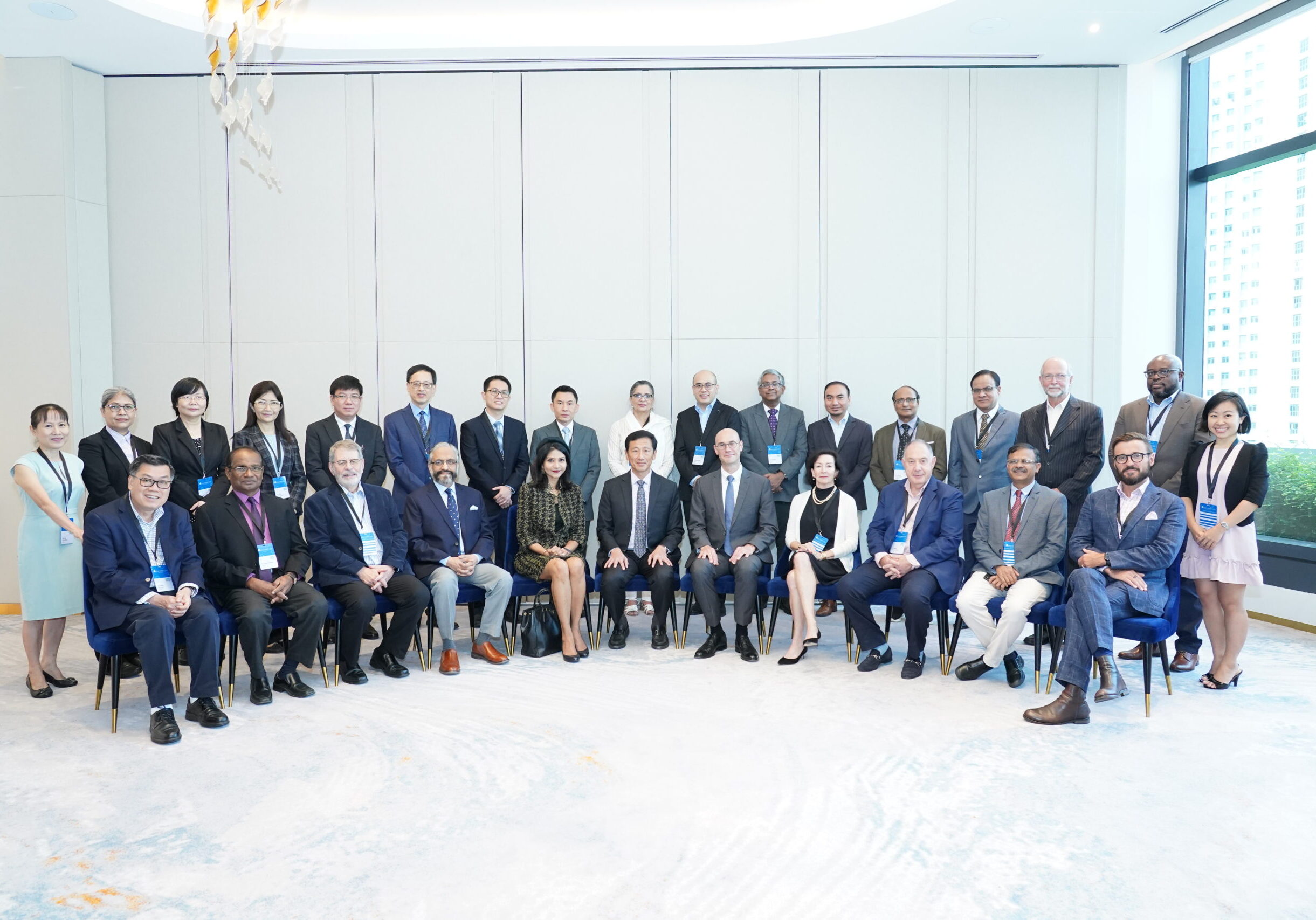
Leading bone experts from the Asia Pacific convened in Singapore on Saturday, (December 10, 2022) for the Asia Pacific Consortium on Osteoporosis (APCO) Scientific Summit, to further their vision of reducing the burden of osteoporosis and fragility fractures in the world’s most populous and fastest ageing region.1

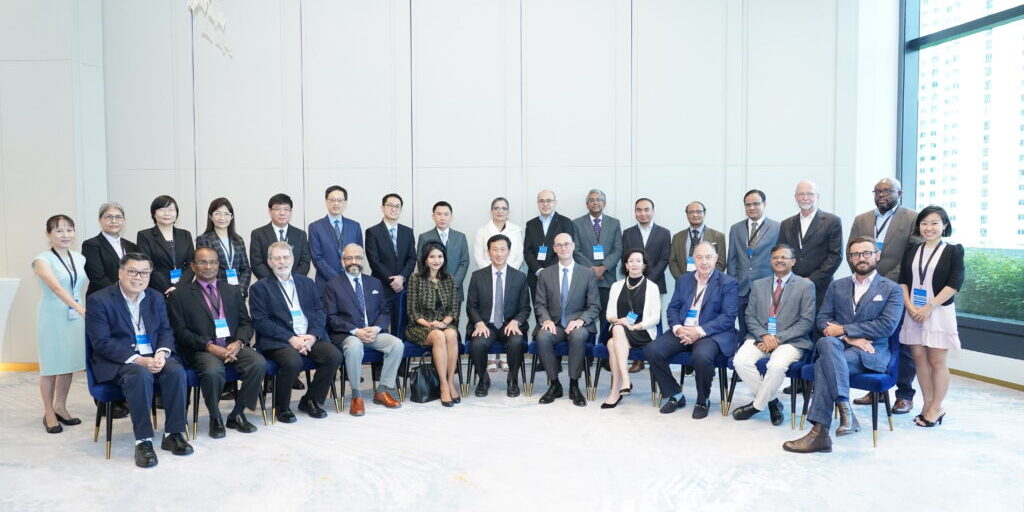
Marking APCO’s first ‘physical’ Summit since May 2019 when the organisation was launched, APCO members, representing 19 Asia Pacific countries and regions, heard from a host of eminent speakers at One Farrer Hotel, Singapore, including the Summit’s Guest of Honour, Singapore’s Minister for Health, Mr Ong Ye Kung.

The eagerly anticipated Scientific Summit garnered significant attention in news media prior to the event, with an interview on Channel News Asia-Singapore Tonight of APCO Executive Committee Chairperson, Professor Manju Chandran, Singapore, and APCO Executive Committee member and Chief Executive Officer of the International Osteoporosis Foundation (IOF), Dr Philippe Halbout, Switzerland. The interview afforded an opportunity for the leading osteoporosis experts to share insights, and reflect on APCO’s vision and mission.

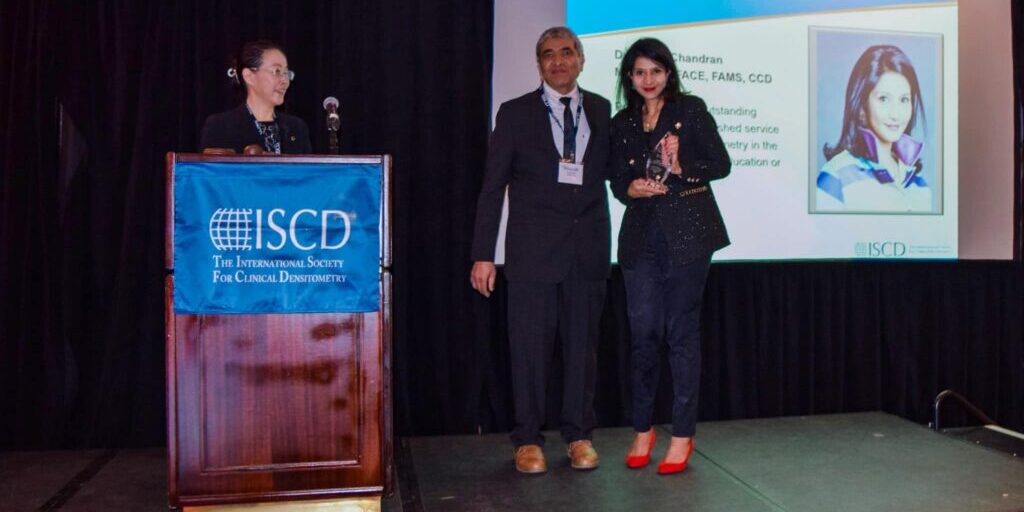
According to Prof Chandran, Senior Consultant Endocrinologist and Director, Osteoporosis and Bone Metabolism Unit, Singapore General Hospital, 2021 IOF Olof Johnell Science Award Winner, and 2023 International Society of Clinical Densitometry (ISCD) Clinician of the Year Awardee, “A perfect storm of a rise in osteoporosis among Asia Pacific populations is expected to occur due to the region’s rapidly aging population, mounting urbanisation, and subsequent increase in sedentary lifestyles.2  

“Unless urgent steps are taken, we will be facing an epidemic of osteoporotic fractures that could have been avoided through appropriate preventive measures, early diagnosis, and treatment.

“APCO members are charged with developing tangible solutions to the challenges facing osteoporosis management in the world’s most populous, linguistically, and culturally diverse region. Our committed group of 46 osteoporosis experts representing 19 countries and regions, are confident we can counter these challenges, if armed with support from local governments, policy makers, healthcare providers, philanthropic organisations, pharmaceutical companies, and other stakeholders from both the private and public healthcare sectors throughout the region,” said Dr Chandran. Access her presentation here.
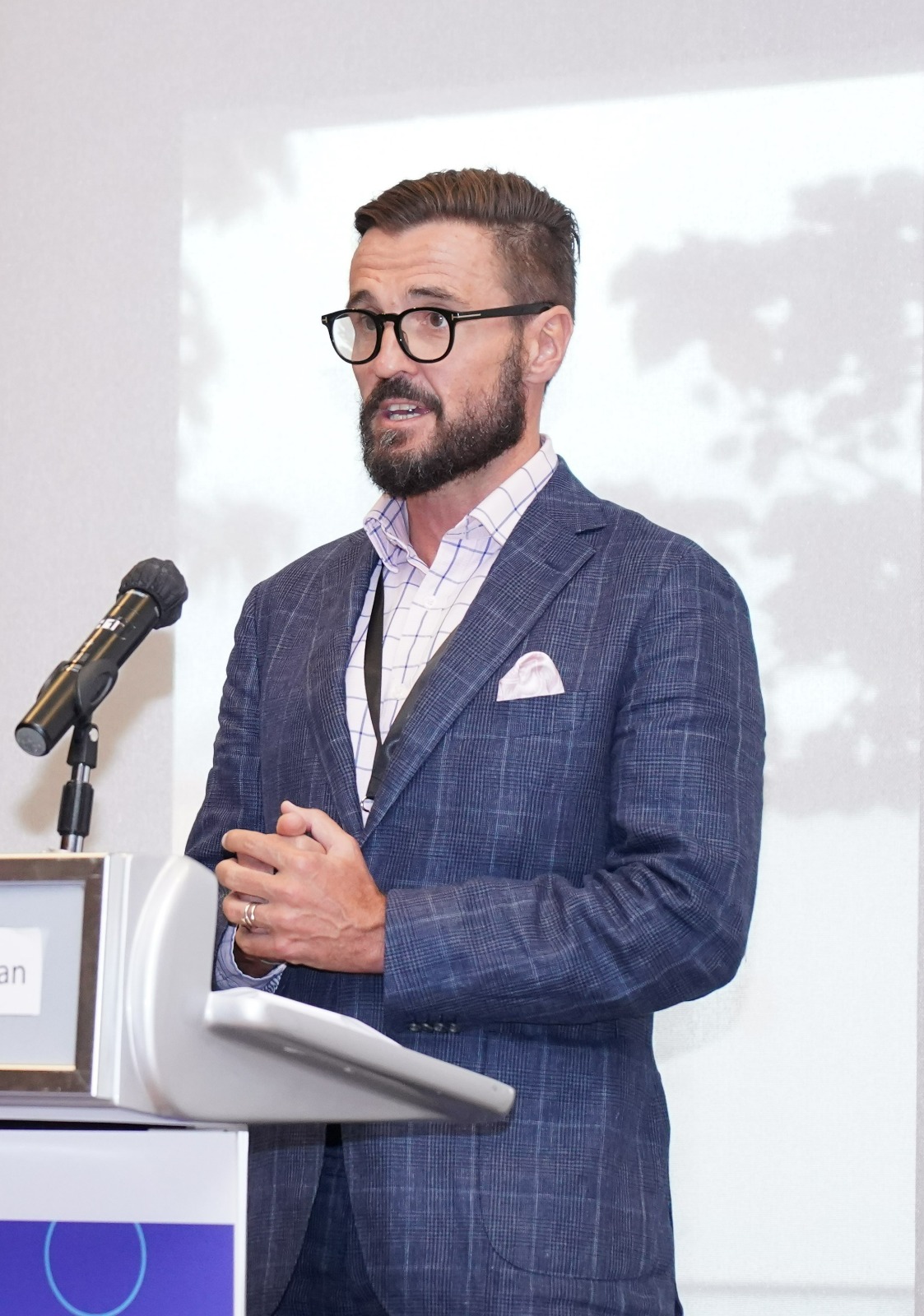
Country Medical Director, Amgen Australia, and Summit MC, Dr Cae Tolman, Australia, reflected on APCO’s evolution over the past three years, including its various activities and successes, and reinforced the need to future-proof the organisation, through strategic thinking, and planning.

Minister Ong Ye Kung reflected on the healthcare challenges facing the Asia Pacific region, and  how his country, Singapore, is working to shift the emphasis of healthcare away from the hospital and into the community. He explained that through the “Healthier SG” initiative, Singapore will prioritise preventive care for all its residents, with key shifts including lifestyle modification, regular health screening, and enrolment with one primary care provider. These aspects are designed to build a healthy ecosystem of support for better health across the nation. Access his speech here.



Osteoporosis is greatly under-diagnosed, and under-treated in Pacific, even among those at highest risk who have already fractured.3 Concerningly, over the next two decades, a staggering 319 million people within Asia Pacific aged 50+ are projected to be at high risk of osteoporotic fracture.4 Moreover, the number of hip fractures are forecast to more than double in Asia Pacific, from 1.13 million in 2018, to 2.54 million in 2050.4

“Singapore, a country with one in five people over the age of 65 years, has one of the highest numbers of osteoporotic fractures in the world, which is predicted to increase exponentially in the next two decades.5 Urgent action must therefore, be taken to curb the immense socio-economic and physical impacts posed by the disease, and the subsequent complication of fragility fractures,” Dr Chandran said.

As the world’s largest, non-governmental organisation dedicated to the prevention, diagnosis and treatment of osteoporosis and related musculoskeletal diseases, the IOF’s vision is: “a world without fragility fractures, in which healthy mobility is a reality for all, Dr Philippe Halbout explained.

“Given the Asia Pacific region will bear the brunt of osteoporotic fractures over the next few decades, the IOF recognises urgent action is required to stem this tide. It is for this reason, that we continue to lend strong support to APCO – an organisation that in little more than three years, has achieved significant milestones in its fight against the silent disease that is osteoporosis,”2 he said.

Chairman and Head of the Endocrinology and Diabetes Division, MAX Healthcare, Gurgaon, Padma Booshan recipient (one of India’s highest civilian awards), IOF President’s Award winner, and APCO member, Prof Ambrish Mithal, India, shares similar concerns about the trends impacting musculoskeletal health in the world’s fastest ageing region.

“Low levels of calcium and vitamin D intake, coupled with high levels of smoking, which have a detrimental impact on bone and muscle health, are prevalent in several countries in the region. However, striking differences exist across the region regarding the prevalence of fractures, robustness of healthcare systems, and access to care.
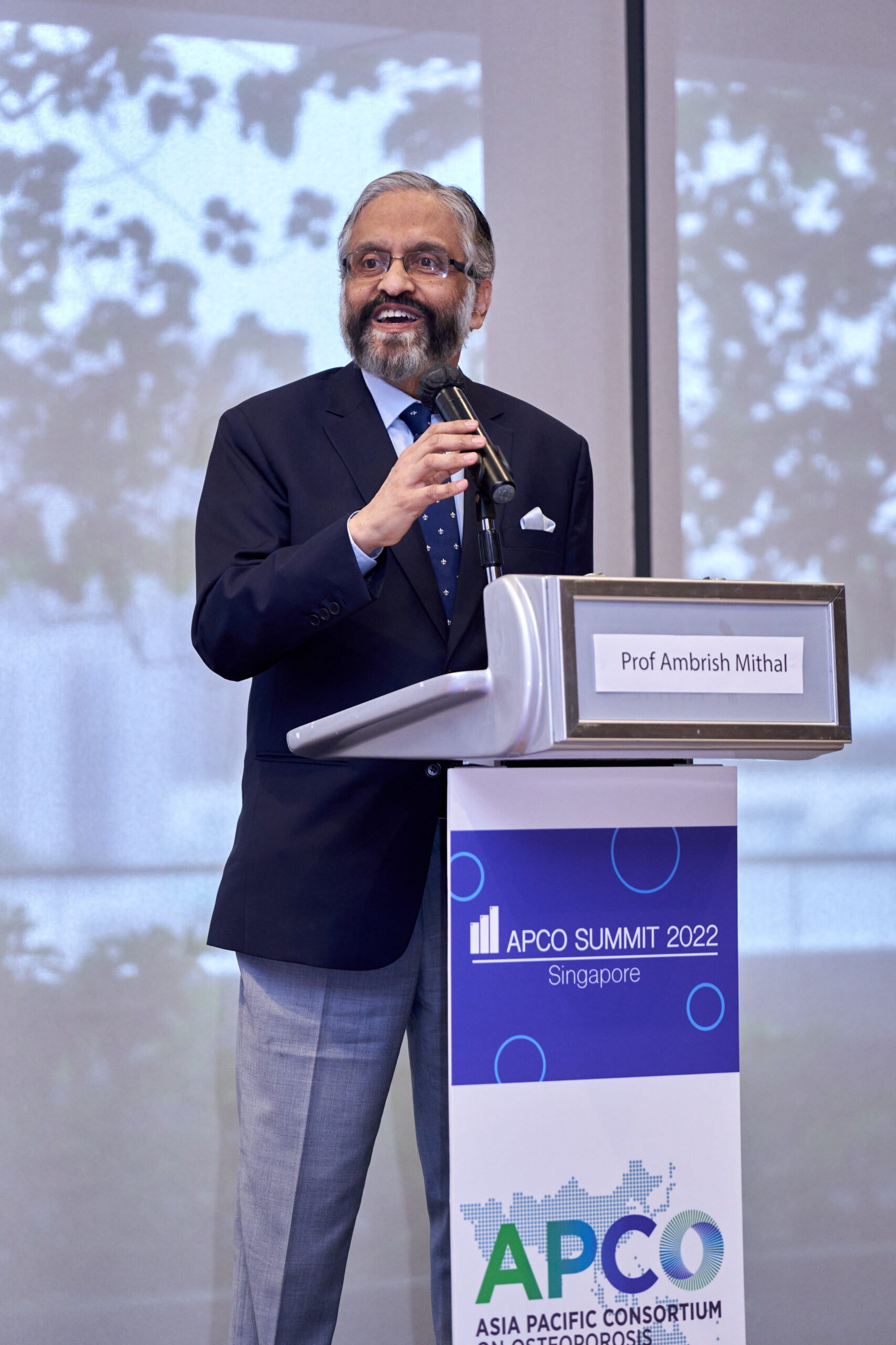
“In 2009 and 2013 respectively, the IOF released status reports (the Asia Pacific Audits) examining the overall patterns of fracture prevalence and osteoporosis care in the region. While progress has been made in several fields over the past decade, concerningly, huge gaps remain. In most countries, osteoporosis is still a low priority, and unfortunately, competes for attention with better understood diseases, such as heart disease and cancer. Consequently, bone health attracts little government support and funding,” Prof Mithal said.

More recently in India however, significant focus has been placed on generating physician, particularly orthopaedic surgeon, awareness and understanding of the importance of diagnosing, and treating, osteoporosis, with support from the IOF and Asian Societies. As a consequence, “awareness of osteoporosis in India is now much higher,” said Prof Mithal.

“The APCO Summit therefore, represents an ideal opportunity for representatives from multiple countries in the Asia Pacific, to come together, to share experiences, and to brainstorm ideas to tackle this monumental, escalating public health issue.”

During her presentation, Regional Vice-President for Amgen Asia, and leader of its Global Health Access Program, Dr Victoria Elegant, Hong Kong, reflected on the imperative need for people around the world to secure access to healthcare, explaining “This involves a group of committed people working together, to improve the health ecosystem, so they are ready, and able, to treat patients.
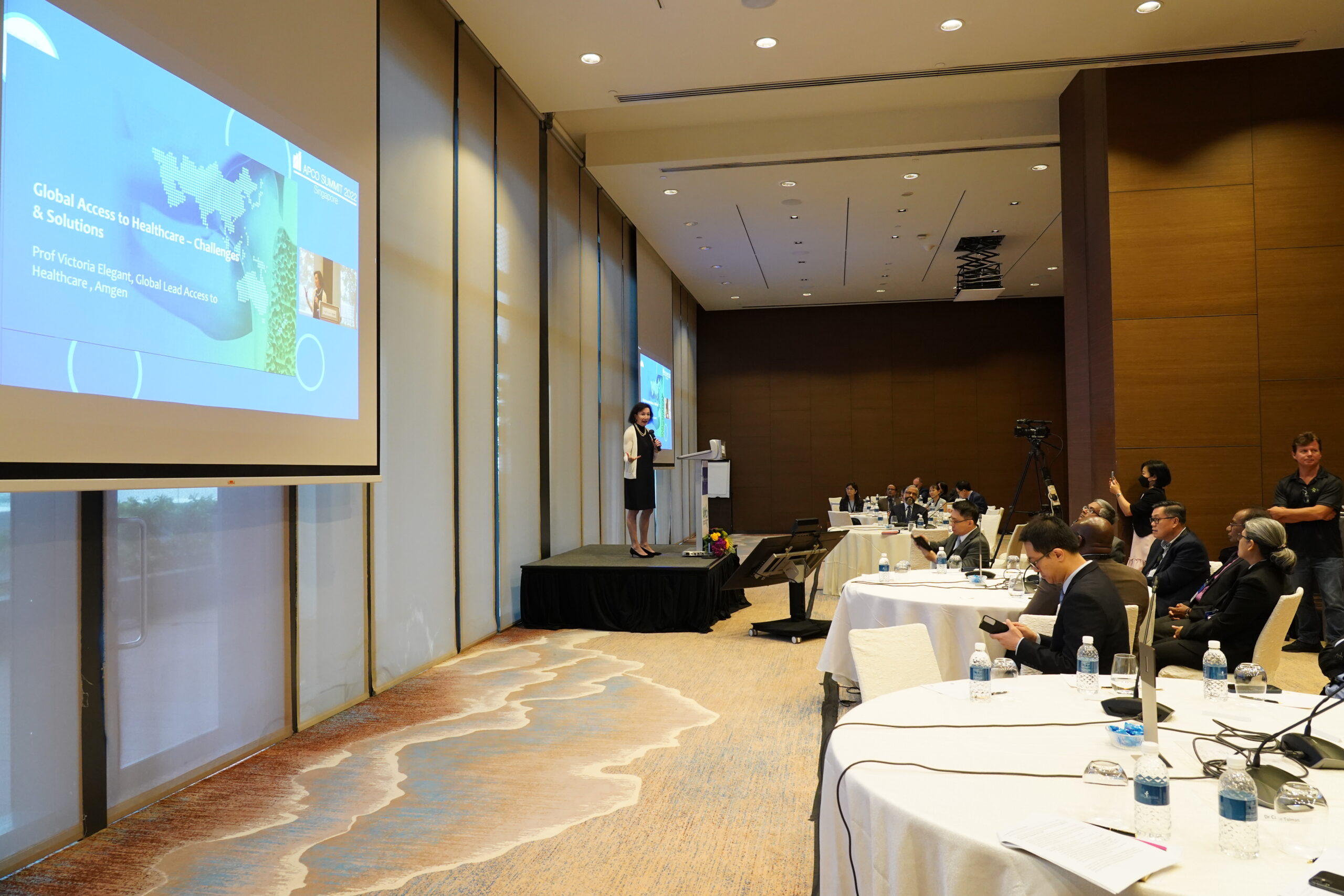
“You [APCO members] are a living example of what is being done to achieve change. APCO is a fantastic example of how people from various health care sectors have all come together, to improve the management of osteoporosis,” Dr Elegant explained.
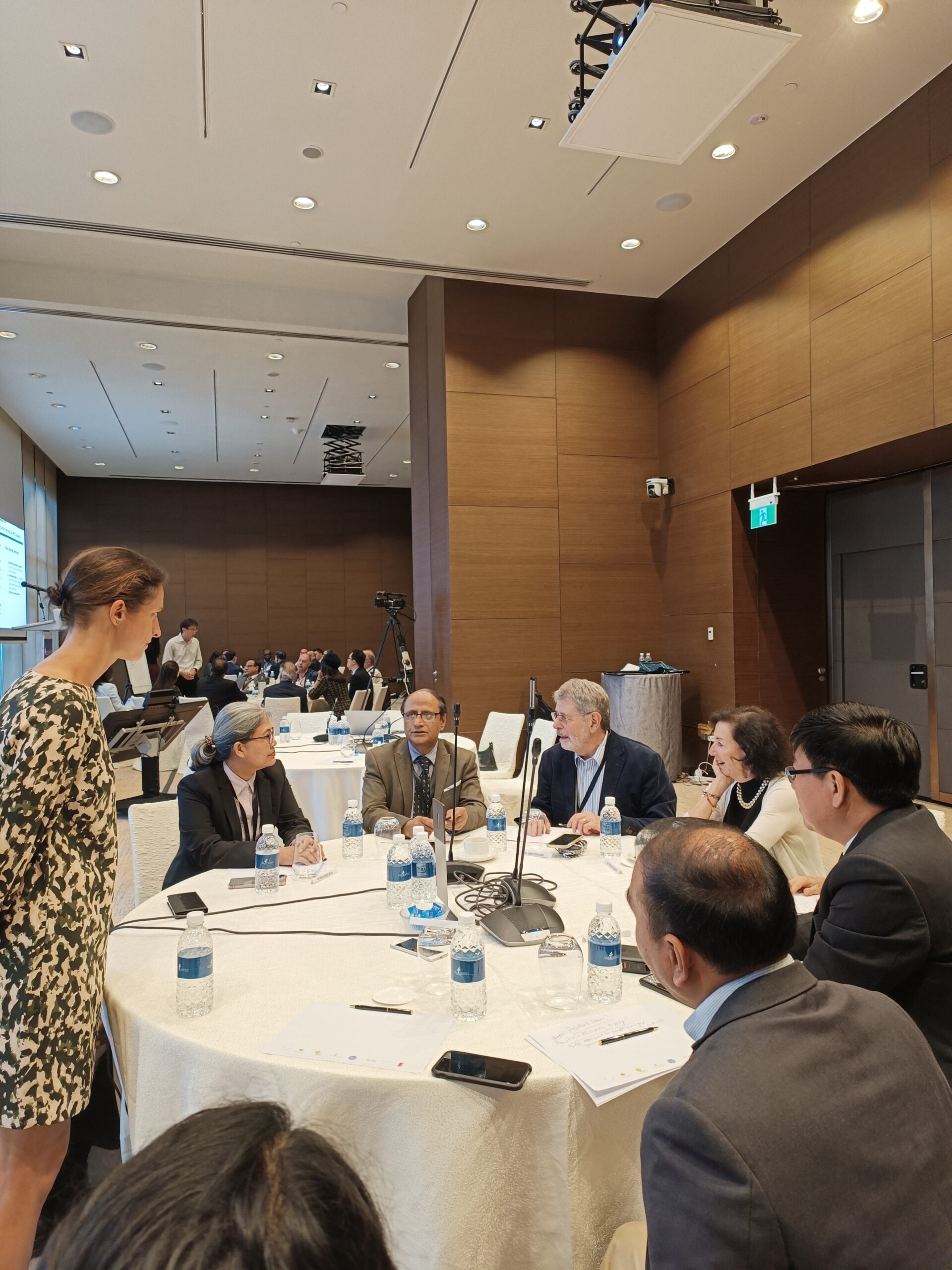


The afternoon of the Summit was devoted to a Co- Creation workshop facilitated by Access Health International, South East Asia, that aimed to build on the momentum generated through the Consortium’s accomplishments in 2022, by converging APCO members in the unique hybrid setting of the Summit. The workshop engaged APCO members around a common goal of identifying gaps in osteoporosis care in the Asia Pacific, and co-creating solutions to minimise the burden of osteoporosis in the region. The workshop saw the members engage in lively and interactive discussions, that not only helped to identify the challenges they faced while implementing APCO’s mission of engaging with policymakers, health care providers and the public over the last three and a half years since the organisation’s inception, but also served to refine APCO’s project roadmaps for 2023, and beyond, and to elucidate, through the generation of concrete and actionable strategic plans, projects for the Consortium to consider taking forward.

APCO Summit recommendations to address the projected growing burden of osteoporosis and fractures in the Asia Pacific focused on:

  • Education and training of healthcare professionals;
  • Quality improvement and secondary fracture prevention;
  • Prioritising the prevention of musculoskeletal disease at a policy level;
  • Enhancing research to amass evidence;
  • Improving diagnosis and treatment accessibility and reimbursement;
  • Creating national prevention programs; and
  • Heightening public awareness and patient support.

Dr Chandran concluded the APCO Summit by stating that it had afforded the organisation “direction regarding the various challenges faced by our individual members, and how we should proceed in the coming years”. She encouraged the APCO members to continue to demonstrate their commitment to the cause of osteoporosis, stating “You have been hand-picked for APCO based on your expertise, history and commitment to musculoskeletal diseases, and because your voices are extremely important.”

About APCO

The Asia Pacific Consortium on Osteoporosis (APCO)’s mission is to engage with relevant stakeholders, including healthcare providers, policy makers and the public, to help develop, and implement, country and region-specific programs for the prevention and treatment of osteoporosis, and its complication of fragility fractures, in the Asia Pacific. Since APCO’s formation in May 2019, the organisation has developed:

  • The APCO Framework – a pan-Asia Pacific ‘Framework’ for the implementation of minimum clinical standards across the region;
  • APCO Bone Health QI Tool Kit to enable healthcare providers worldwide, to benchmark their practices against the clinical standards proposed in The APCO Framework;
  • APCO HCP Peer to Peer Education Modules – a world-first, interactive, educational osteoporosis resource for healthcare professionals.

To learn APCO’s plans for ongoing multi-sector, healthcare professional engagement and cooperation to stem the looming bone health crisis in the Asia Pacific region, commencing next year, and beyond, continue to visit our blog and follow our LinkedIn channel – asia-pacific-consortium-on-osteoporosis.

References

  1. International Osteoporosis Foundation (IOF). A fracture every 3 seconds worldwide.That’s osteoporosis! 2019 [cited Dec, 2022]; Available from: https://tinyurl.com/55hh4psc.
  2. Chandran M, e.a., Development of the Asia Pacific Consortium on Osteoporosis (APCO) Framework: clinical standards of care for the screening, diagnosis, and management of osteoporosis in the Asia-Pacific region. Osteoporos Int., 2021. 32(7): p. 1249-1275.
  3. International Osteoporosis Foundation (IOF). Key statistics for Asia. [cited Oct, 2022]; Available from: https://www.osteoporosis.foundation/facts-statistics/key-statistic-for-asia.
  4. Cheung, C.-L., et al., An updated hip fracture projection in Asia: The Asian Federation of Osteoporosis Societies study. Osteoporosis and sarcopenia, 2018. 4(1): p. 16-21.
  5. Chandran, M., et al., The health and economic burden of osteoporotic fractures in Singapore and the potential impact of increasing treatment rates through more pharmacological options. Arch Osteoporos, 2019. 14(1): p. 114.
News

CYR05665

“The journey of a thousand miles begins with a single step”

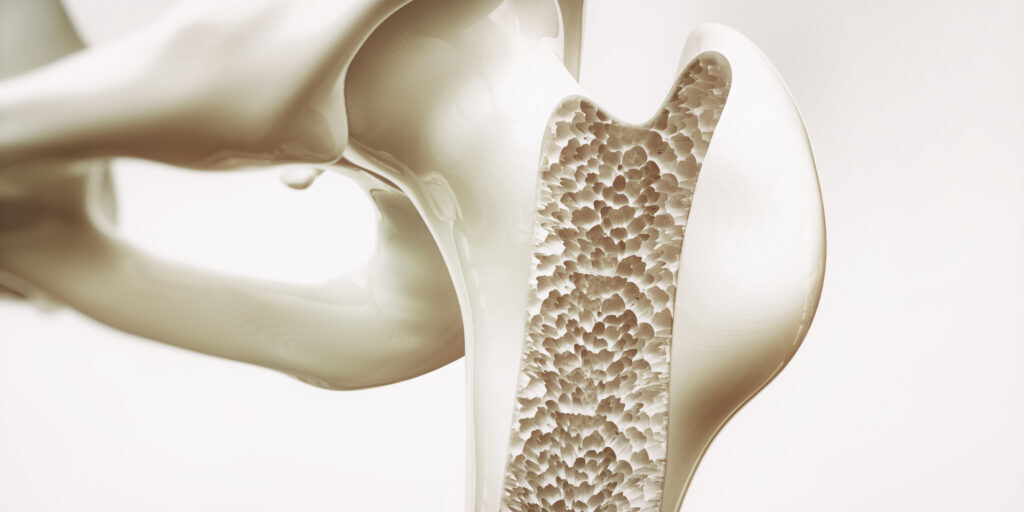
Osteoporosis stage 4 of 4 - upper limb bone - 3d rendering

Expert gathering to stem bone health crisis in the world’s most populous & fastest ageing region

Copy of Untitled Design (10)

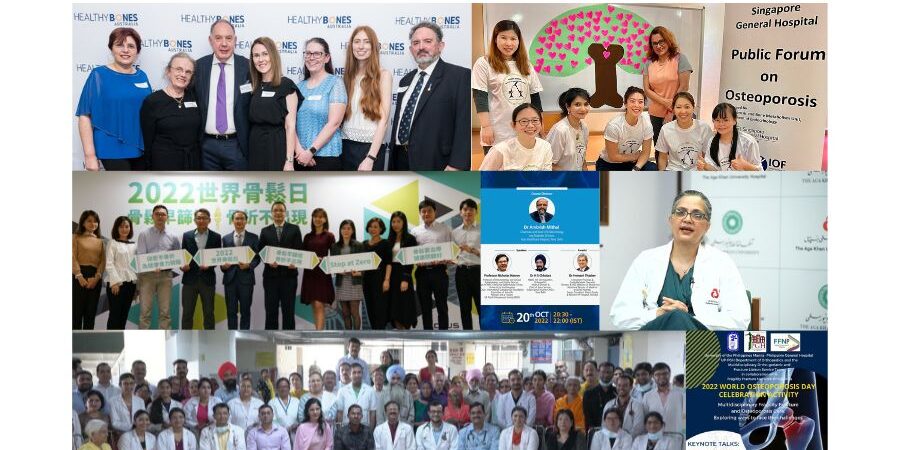
APCO members proudly ‘Stepping up for bone health’ on World Osteoporosis Day 2022

25august

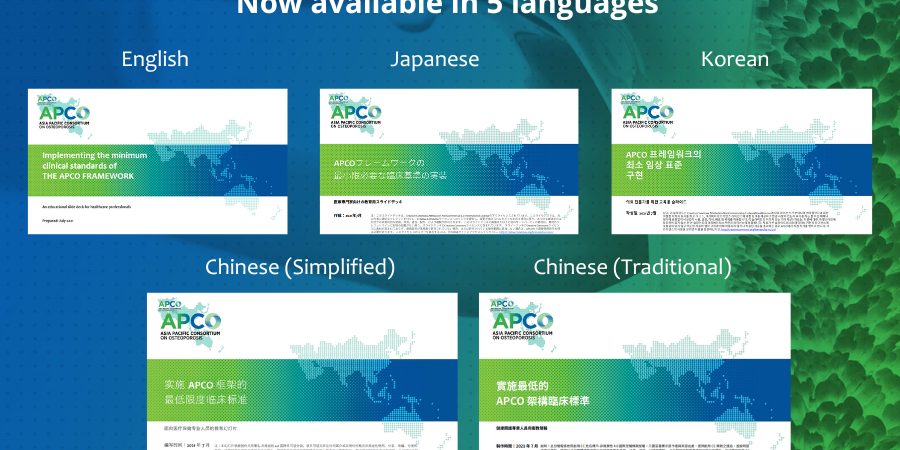
APCO HCP Education Modules now available in 5 languages, enabling delivery of best practice osteoporosis care throughout the Asia Pacific

Daniel Martin #CNA938 (2)

Launch of the APCO Bone Health QI Tool Kit & stemming the current osteoporosis crisis in the Asia Pacific – Channel News Asia interview with APCO Chair

Low Calcium Intake

Reference 1: This review examined calcium intake among adults around the world and found that many populations do not consume enough calcium to support good bone health. The authors highlight that low calcium intake is particularly common in many Asian countries, where average intakes are often well below recommended levels. Because calcium is essential for building and maintaining strong bones, inadequate intake may increase the risk of osteoporosis and fractures. The study emphasises the importance of promoting calcium rich foods and other practical ways to help people meet their daily calcium needs.

Citation: Balk EM, Adam GP, Langberg VN, et al. “Global dietary calcium intake among adults: a systematic review.” Osteoporos Int. 2017 Dec;28(12):3315-3324. doi: 10.1007/s00198-017-4230-x. Epub 2017 Oct 12. Erratum in: Osteoporos Int. 2018 May;29(5):1223. doi: 10.1007/s00198-018-4447-3. PMID: 29026938; PMCID: PMC5684325.


Reference 2: This review explores the important role of calcium in maintaining healthy bones throughout life. The authors explain that adequate calcium intake helps build and maintain bone strength, while long term low intake may contribute to bone loss and increase the risk of fractures. The paper also discusses the importance of obtaining calcium from a balanced diet, with supplements considered when dietary intake is insufficient. Overall, the review reinforces that meeting daily calcium needs is an important part of supporting lifelong bone health.

Citation: Cormick G, Belizan JM. “Calcium Intake and Health.” Nutrients. 2019 Jul 15;11(7):1606. doi: 10.3390/nu11071606. PMID: 31311164; PMCID: PMC6683260.


Reference 3: This review explores how common calcium deficiency is around the world and the impact it can have on health. The authors explain that many people do not consume enough calcium, particularly in low and middle income countries, increasing the risk of poor bone health and fractures. The paper highlights the importance of consuming enough calcium throughout life to help build and maintain strong bones. It also emphasises the need for practical strategies, such as improving access to calcium rich foods, fortified foods, and nutrition education, to help people meet their daily calcium needs.

Citation: Shlisky J, Mandlik R, Askari S, et al. “Calcium deficiency worldwide: prevalence of inadequate intakes and associated health outcomes.” Ann N Y Acad Sci. 2022 Jun;1512(1):10-28. doi: 10.1111/nyas.14758. Epub 2022 Mar 5. PMID: 35247225; PMCID: PMC9311836.

High Sodium Intake

Reference 1: This review explored whether eating too much salt affects bone health in postmenopausal women. The authors found that while high salt intake may increase calcium loss from the body, there is currently not enough high quality evidence to clearly determine its long term effects on bone mineral density or fracture risk. The paper highlights the need for more research to better understand this relationship. In the meantime, following general recommendations to limit excessive salt intake remains an important part of maintaining overall health.

Citation: Imash D, Gusmanov A, Chan MY. “High salt intake and bone health in postmenopausal women: exposing the lack of studies – a systematic review and meta-analysis.” Front Endocrinol (Lausanne). 2025 Nov 19;16:1694539. doi: 10.3389/fendo.2025.1694539. PMID: 41347127; PMCID: PMC12672310.


Reference 2: This study explored whether salt intake was linked to bone health in postmenopausal women in southern India. The authors found that women who consumed more salt were more likely to have weaker bones, poorer bone structure, osteoporosis, and vertebral fractures. These findings suggest that excessive salt intake may be associated with poorer bone health in this population. The study adds to growing evidence that a balanced diet, including limiting excess salt, may help support healthy bones.

Citation: John R, Cherian KE, Kapoor N, et al. “Excess dietary salt is associated with an altered bone strain index, degraded bone microarchitecture, vertebral fractures, and increased prevalence of osteoporosis in postmenopausal women – A study from a teaching hospital in southern India.” Aging Med (Milton). 2024 Oct 10;7(5):606-613. doi: 10.1002/agm2.12360. PMID: 39507226; PMCID: PMC11535168.

Lower Protein Intake Among Older Adults

Reference 1: This review explored how protein intake and regular exercise can help slow the progression of age-related muscle loss in older adults living in the community. The authors found that combining adequate protein with strength or resistance exercise was more effective than either approach alone in helping to maintain muscle strength and physical function. The paper highlights that preserving muscle health is important for reducing the risk of falls, fractures, and loss of independence. It also reinforces the value of healthy lifestyle habits in supporting active and healthy ageing.

Citation: Li L, He Y, Jin N, Li H, Liu X. “Effects of protein supplementation and exercise on delaying sarcopenia progression in Asian community-dwelling older adults.” Food Chem X. 2022 Jan 20;13:100210. doi: 10.1016/j.fochx.2022.100210. PMID: 35128383; PMCID: PMC8808080.


Reference 2: This consensus paper encourages a broader focus on maintaining muscle health throughout life rather than only identifying or treating sarcopenia after it develops. The authors explain that healthy muscles are essential for mobility, balance, independence, and overall wellbeing, especially as people age. The paper highlights the importance of regular physical activity, good nutrition, and early action to help preserve muscle strength and function. It also encourages healthcare professionals and the public to view muscle health as an important part of healthy ageing alongside bone health.

Citation: Chen LK, Hsiao FY, Akishita M, et al. “A focus shift from sarcopenia to muscle health in the Asian Working Group for Sarcopenia 2025 Consensus Update.” Nat Aging. 2025 Nov;5(11):2164-2175. doi: 10.1038/s43587-025-01004-y. Epub 2025 Nov 4. PMID: 41188603.

High Prevalence of Lactose Intolerance

Reference 1: This review explores how lactose intolerance may affect bone health. The authors explain that people who avoid dairy because of lactose intolerance may miss out on important nutrients, particularly calcium, if these nutrients are not replaced from other foods. The paper highlights that getting enough calcium is important for maintaining strong bones and reducing the risk of fractures. It also emphasises that there are many ways to meet calcium needs, including lactose free dairy products and other calcium rich foods.

Citation: Hodges JK, Cao S, Cladis DP, Weaver CM. “Lactose Intolerance and Bone Health: The Challenge of Ensuring Adequate Calcium Intake.” Nutrients. 2019 Mar 28;11(4):718. doi: 10.3390/nu11040718. PMID: 30925689; PMCID: PMC6521087.


Reference 2: This review explores whether drinking milk can help support bone health in Asian populations, particularly those at higher risk of osteoporosis. The authors highlight that many people in Asia consume less milk than recommended, which may contribute to lower calcium intake and poorer bone health. The paper explains that milk provides important nutrients for strong bones and discusses practical options for people who cannot tolerate regular milk, such as lactose free milk and yoghurt. Overall, the review suggests that finding suitable ways to include dairy or alternative calcium rich foods in the diet may help support lifelong bone health.

Citation: Jiao H, Xu Y, Zhang Y, et al. “Is it advisable for Asians to drink milk, especially those at risk of osteoporosis?” Front Nutr. 2025 Jun 25;12:1586623. doi: 10.3389/fnut.2025.1586623. PMID: 40635901; PMCID: PMC12239142.


Reference 3: This review explores ways to protect bone health in populations where calcium and vitamin D intake is often too low. The authors explain that getting enough of these nutrients is essential for building and maintaining strong bones, yet deficiencies remain common in many parts of the world. The paper highlights that healthy eating, safe sun exposure, regular physical activity, and, where needed, fortified foods or supplements can all help support bone health. It also emphasises the importance of public health efforts to improve awareness and make nutritious foods more accessible, particularly for people at greater risk of osteoporosis.

Citation: Yeum KJ, Ju S, Choe U. “Strategies for preventing bone loss in populations with inadequate calcium and vitamin D intake.” Nutr Res Pract. 2025 Apr;19(2):155-169. doi: 10.4162/nrp.2025.19.2.155. Epub 2025 Mar 13. PMID: 40226767; PMCID: PMC11982687.

Vitamin D Deficiency Despite Sunshine

Reference 1: This review examined how common vitamin D deficiency is around the world and found that it remains a widespread public health concern. The authors explain that many people do not get enough vitamin D because of factors such as limited sun exposure, diet, and lifestyle. As vitamin D plays an important role in maintaining strong bones and muscles, low levels may increase the risk of poor bone health. The study highlights the importance of improving awareness and ensuring people have adequate vitamin D through safe sun exposure, diet, fortified foods, or supplements when needed.

Citation: Cui A, Zhang T, Xiao P, Fan Z, Wang H, Zhuang Y. “Global and regional prevalence of vitamin D deficiency in population-based studies from 2000 to 2022: A pooled analysis of 7.9 million participants.” Front Nutr. 2023 Mar 17;10:1070808. doi: 10.3389/fnut.2023.1070808. PMID: 37006940; PMCID: PMC10064807.


Reference 2: This review examined vitamin D levels among adults living in South Asia and found that vitamin D deficiency is very common across the region. The authors explain that factors such as limited sun exposure, lifestyle, skin pigmentation, and diet may all contribute to low vitamin D levels. Because vitamin D is essential for maintaining healthy bones and muscles, addressing this deficiency is an important part of supporting lifelong bone health. The study highlights the need for greater awareness and practical strategies to help people achieve adequate vitamin D levels.

Citation: Siddiqee MH, Bhattacharjee B, Siddiqi UR, MeshbahurRahman M. “High prevalence of vitamin D deficiency among the South Asian adults: a systematic review and meta-analysis.” BMC Public Health. 2021 Oct 9;21(1):1823. doi: 10.1186/s12889-021-11888-1. PMID: 34627207; PMCID: PMC8501935.

Vegetarian and Plant-Based Diets

Reference 1: This review explores how vegetarian diets may affect bone health. The authors explain that while well planned vegetarian diets can provide many health benefits, they may also be lower in important nutrients such as calcium, vitamin D, protein, and vitamin B12 if not carefully balanced. The paper highlights that these nutrients play an important role in maintaining strong bones and reducing the risk of fractures. It also emphasises that people following vegetarian diets can support their bone health by choosing a varied, nutrient-rich diet and including fortified foods or supplements when needed.

Citation: Falchetti A, Cavati G, Valenti R, et al. “The effects of vegetarian diets on bone health: A literature review.” Front Endocrinol (Lausanne). 2022 Aug 5;13:899375. doi: 10.3389/fendo.2022.899375. PMID: 35992115; PMCID: PMC9388819.


Reference 2: This review examines how vegetarian diets may influence bone mineral density, a measure of bone strength. The authors explain that people following vegetarian diets may have lower bone mineral density if they do not consume enough nutrients that are important for healthy bones, such as calcium, vitamin D, and protein. However, the paper also highlights that a well planned vegetarian diet can support good bone health when these nutritional needs are met. The review emphasises the importance of choosing a balanced diet to help maintain strong bones throughout life.

Citation: Chuang TL, Lin CH, Wang YF. “Effects of vegetarian diet on bone mineral density.” Tzu Chi Med J. 2020 Sep 16;33(2):128-134. doi: 10.4103/tcmj.tcmj_84_20. PMID: 33912409; PMCID: PMC8059457.


Reference 3: This review examined how vegan and vegetarian diets may affect bone mineral density and fracture risk. The authors found that people following plant based diets, particularly vegan diets, may have lower bone mineral density and a higher risk of fractures if they do not get enough nutrients that support bone health. The paper highlights the importance of consuming adequate calcium, vitamin D, protein, and other key nutrients when following a plant based diet. It also emphasises that well planned vegetarian and vegan diets can support healthy bones when nutritional needs are carefully met.

Citation: Iguacel I, Miguel-Berges ML, Gomez-Bruton A, Moreno LA, Julian C. “Veganism, vegetarianism, bone mineral density, and fracture risk: a systematic review and meta-analysis.” Nutr Rev. 2019 Jan 1;77(1):1-18. doi: 10.1093/nutrit/nuy045. PMID: 30376075.

I Think I Might Be at Risk of Osteoporosis

Why should I ask?

Osteoporosis is often called the “silent disease” because there are usually no symptoms until a fracture occurs. If you have risk factors, it is important to discuss your bone health before a fracture happens. Some common risk factors include but not limited to: Family history, Smoking, Alcohol, Low Body Weight, Age and Previous Falls.

Questions to ask your Doctor

1Am I at risk of osteoporosis?
2Should I have a bone health assessment?
3Should I have a DXA scan?
4What are my personal risk factors for osteoporosis and fractures?
5Are any of my medications affecting my bone health?
6What lifestyle changes can help protect my bones?

I am experiencing Height Loss, Stooped Posture, or Bone Pain

Why should I ask?

Losing height, developing a stooped posture or experiencing persistent back pain may not simply be part of ageing. These symptoms can sometimes be caused by vertebral fractures that happen without a major injury.

Questions to ask your Doctor

1Could my symptoms be caused by osteoporosis?
2Should I have spinal imaging or a VFA?
3Could I have had a spinal fracture without realising it?
4What treatments are available if I have vertebral fractures?
5How can I reduce my risk of future fractures?

I have Risk Factors but my DXA Scan was Normal

Why should I ask?

A normal bone density result does not always mean your bones are healthy. Some people may still be at increased fracture risk because of other risk factors or underlying conditions that affect bone quality.

Questions to ask your Doctor

1Does a normal DXA scan mean I cannot have osteoporosis?
2Why am I still at risk of fractures?
3Should my fracture risk be assessed using other tools?
4Are there additional tests I should have?
5How often should my bone health be reviewed?

I am worried about being on an Osteoporosis Medication

Why should I ask?

Many people are concerned about possible side effects of osteoporosis medicines. Understanding both the benefits and risks can help you make an informed decision with your doctor.

Questions to ask your Doctor

1Why are you recommending this medication?
2What are the common side effects?
3How common are the serious side effects?
4What happens if I decide not to take treatment?
5Are there other treatment options that may be suitable for me?

I am going through Menopause

Why should I ask?

Bone loss accelerates during and after menopause because of declining oestrogen levels. Acting early can help maintain bone strength and reduce future fracture risk.

Questions to ask your Doctor

1Does menopause increase my risk of osteoporosis?
2Should I have a DXA scan?
3Am I getting enough calcium and vitamin D?
4Would hormone therapy or another treatment benefit me?
5What lifestyle changes can help protect my bones?

I Have Another Medical Condition That May Affect My Bones

Why should I ask?

Some medical conditions can weaken bones, affect bone quality or interfere with the body’s ability to absorb important nutrients. Others may increase your risk of falls and thus fractures. These include diabetes, rheumatoid arthritis, thyroid disease, kidney disease, celiac disease among others.

Questions to ask your Doctor

1Does my medical condition increase my risk of osteoporosis or fractures?
2Should I have a DXA scan or other bone health tests?
3Are there treatments that can help protect my bones?
4Do I need to see a bone specialist?
5How often should my bone health be monitored?

I take Long-Term Medicines

Why should I ask?

Some medicines can reduce bone strength or increase fracture risk, particularly if they are taken over a long period. Your doctor can help determine whether you need additional monitoring or treatment.

Questions to ask your Doctor

1Could this medication affect my bones?
2Should I have a DXA scan?
3Do I need calcium or vitamin D supplements?
4Should I take medication to help protect my bones?
5How often should my bone health be reviewed while taking this medication?

I am Falling More Often and am Worried about my Balance

Why should I ask?

Most fragility fractures occur after a fall. Identifying the causes of falls and improving balance and strength can significantly reduce your fracture risk.

Questions to ask your Doctor

1Why might I be falling more often?
2Could my medications be contributing?
3Should my vision or hearing be checked?
4Would physiotherapy or balance training help?
5Can I be referred to a falls prevention programme?

I am an Older Man

Why should I ask?

Although osteoporosis is often thought of as a women’s disease, men can also develop osteoporosis and experience serious fractures. Unfortunately, osteoporosis in men is frequently under-recognised and underdiagnosed.

Questions to ask your Doctor

1Can men develop osteoporosis?
2Should I have a bone density test?
3What are my personal risk factors?
4Do I need treatment to reduce my fracture risk?
5Are there lifestyle changes I should make?

My Blood Tests show Low Vitamin D and/or Low Calcium

Why should I ask?

Vitamin D and calcium play essential roles in maintaining healthy bones. Low levels may contribute to bone loss and increase the risk of fractures if left untreated.

Questions to ask your Doctor

1What may have caused my low vitamin D and/or calcium levels?
2Do I need supplements?
3How much calcium and vitamin D should I be taking?
4Should my levels be checked again?
5Are there other tests needed to identify the underlying cause of my my low vitamin D and/or calcium levels?